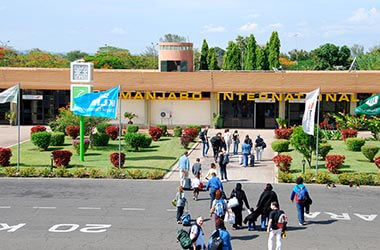
Upon your arrival at Kilimanjaro Airport, you will be greeted by our staff who will take you to your lodge in Arusha.
If you wish, you can be accompanied by our staff for a tour of the city and on request, you can visit the foundation for the protection of women and children in need, which we help.
Alternatively, you can relax in the lodge.
Dinner and overnight stay at the lodge in Arusha.
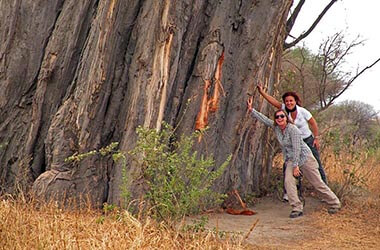
After breakfast in the lodge, we will start the safari in Tanzania, visiting the Tarangire National Park.
This park is characterized by the presence of numerous and majestic baobabs, many of which date back to over 2000 years ago.
During the photo safari, you will mainly see numerous elephants, since the Tarangire Park is home to the largest elephant population in northern Tanzania.
During the dry season, the viewing of the animals is truly magnificent, as the return of the small internal migration, makes it the Park with the highest density of wildlife on the continent.
Lunch in a picnic area in the park.
Dinner and overnight stay in the Lodge at Mto Wa Mbu.
The day is dedicated to getting to know the population and customs of Northern Tanzania.
After breakfast in the lodge, you will visit Mto wa mbu, a charming village located in the Manyara area. Accompanied by a guide, you will tour the village by bike (or on foot, as you prefer) and see the plantations with different types of bananas, the local beer made from bananas, the rice crops, the distinctive houses of the village, the artists making paintings and the carvers of figurines and wooden tools.
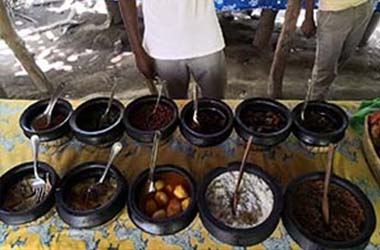
Afterwards, you will have a typical Tanzanian lunch in a distinctive local restaurant, with typical dishes, cooked like in the past….
In the afternoon, you will transfer to Karatu and visit the Iraq Village, an ethnic group from the Great Lakes region of East Africa, now present in the region of Arusha and Manyara.
Iraq people usually live in typical round huts, practice agriculture and cattle breeding and are polygamous. This population will welcome you and make you feel at home.
Dinner and overnight stay at the Lodge in Karatu.
The day is dedicated to photo safari, in one of the world’s most famous safari sites in Tanzania, declared a World Heritage Site by UNESCO in 1978 and an International Biosphere Reserve in 1981.
In fact, after breakfast in the lodge, you will visit the Ngorongoro Conservation Area, descending to the interior of the Ngorongoro crater, the largest uninterrupted caldera in the world and one of the natural wonders of Africa with the presence of about 30,000 large mammals residing there all year round, such as buffaloes, lions, elephants, cheetahs, hippopotamuses and rhinoceroses and many varieties of birds, such as flamingos, eagles, buzzards, ostriches and hawks.
Lunch in a picnic area inside the crater.
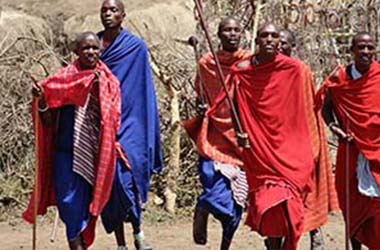
During the visit, we will tour the Masai village inside the NCA, the only reserve where wild animals live together with the Masai people, who live in different villages here, breeding cattle.
Afterwards, we will move to the Serengeti and get to the tented camp in Seronera, the centre of the Serengeti.
Dinner and overnight stay in a tented camp in the Serengeti.
After breakfast in the tented field, the safari in Tanzania becomes even more lively, visiting the Serengeti National Park, the extraordinary place where legend meets reality.
You will spend two days visiting the oldest and largest park in Tanzania, the “Plain without Borders”, which covers an area of 14,763 square kilometres.
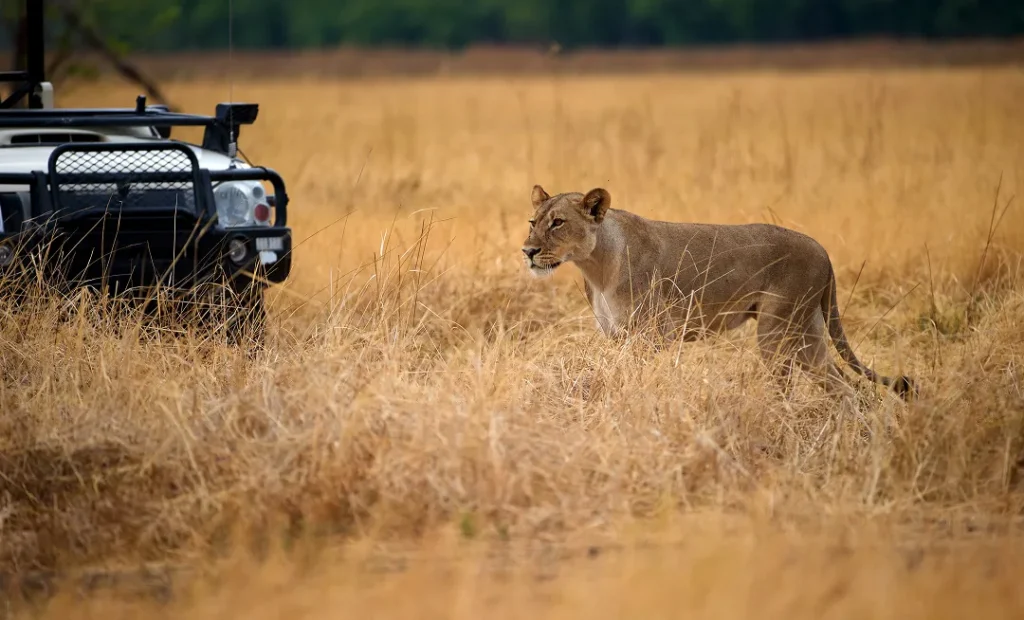
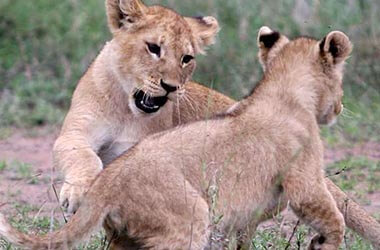
Unlimited plains, the great migration of herbivores (depending on the period of stay), herds of lions and other predators such as hyenas, cheetahs, leopards, jackals and crocodiles and many other animals await you.
Lunch in a picnic area in the park.
Dinner and overnight stay in a tented camp in the Serengeti.
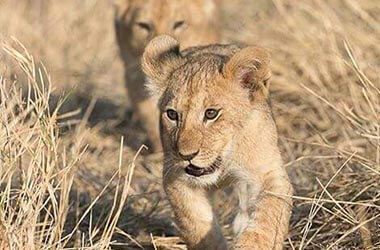
After breakfast in the tented field, we will continue our visit to the extraordinary Serengeti National Park.
We will occasionally interrupt the endless prairies and see bizarre granite formations, the kopjes, over which large predators, such as lions, sometimes love to lie down or hide while waiting for a possible prey to pass.
Lunch in a picnic area in the Park.
After lunch, visit the Olduvai Gorge, in the south-eastern part of the Serengeti.
Our ancestors lived in this area for millions of years and, thanks to the work of archaeologists and paleoanthropologists, important artifacts, hundreds of fossilized bones and stone and bone tools have been found here, testifying to the way in which they lived more than 2 million years ago.
Thanks to these discoveries and the historical value they represent, the Olduvai Gorge was declared a World Heritage Site by UNESCO in 1979.
From a naturalistic point of view, it is part of the Serengeti ecosystem and here, between December and April, you could find the herds of herbivores of the Great Migration.
At the end of the visit, you will transfer to Karatu.
Dinner and overnight stay at the Lodge in Karatu.
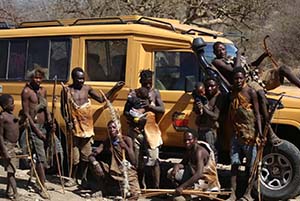
After breakfast in the lodge, you will visit Lake Eyasi, a region that is home to a very interesting human group: the Hadzabe bushmen, the last heirs of a civilization that does not know about agriculture, cattle breeding, ceramics and metallurgy.
They live off hunting with bows and arrows and collecting berries and wild fruits.
They are the last heirs of the homines sapientes who, along the Rift Valley, took their first steps here about 200,000 years ago.
Their way of life has remained unchanged for centuries, living in small wandering groups of about twenty individuals. Meeting them is a very interesting experience.
We will also visit a Datoga village, who are polygamous breeders from the Horn of Africa, who have come to this region by following their herds in search of pastures.
This population works with ancient techniques and produces iron objects for daily use, jewelry and arrowheads for the neighbouring Hadzabe, who repay them with animal skins and wild honey.
After returning to Karatu.
You will have lunch in a typical restaurant in Karatu.
Return to Arusha.
Dinner and overnight stay at the lodge in Arusha.
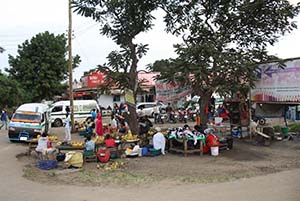
It’s your last day of vacation, the safari in Tanzania has given you many emotions, but it is not over yet. Today you can still enjoy a trip to the markets of Arusha and a nice lunch in a restaurant.
Then, we will take you back to the airport, to return to England with the African atmosphere still in mind.