

Going on vacation to an exotic and faraway place, perhaps even to another continent, certainly brings joy and exhilaration, but sometimes it can also bring some apprehension: the fear is that by going to a place that has a culture different from one’s own, whose streets, customs and lifestyle of the people, and language one does not know, one can easily find oneself prey to aggression, or dangers that can put one at risk.
Unfortunately, dangers are always present, whether you go on vacation or when you go out to walk your dog under your house, but you need not fear excessively for your safety because there are many systems and tricks that can come to our aid.
The rules of common sense always apply, whether at home or elsewhere: it is clear that wandering the streets in a place in the world thousands of miles from home can be scary, especially when one hears news reports about attacks, thefts and robberies against unsuspecting tourists, but one should not lump everything together and instead should act astutely, arriving as prepared as possible to deal properly with the dangers one is facing.
By the way, very often when we talk about dangerousness and safety we tend to get confused, because the dangers one faces when going to a faraway place are certainly not only those related to possible theft: it is always good, therefore, to know the possible dangerousness of the place at 360 degrees, considering also all the other risks one faces, so that one can be sure to avoid them (or ward them off as much as possible).
That is why in this article we want to put our attention to other aspects as well, suggesting and providing advice on what for example you cannot bring, where to go to be safe, the diseases most prevalent in this part of the world, animal attacks (which can still occur accidentally and unfortunate even during an excursion) and in general on crime and specific local dangers affecting it.
On our trips and tours in Tanzania, we always have an eye for safety aspects. Contact us for more details.
Is Tanzania dangerous? Frequent question among travelers
One of the most common questions tourists ask is, ” Is Tanzania dangerous?” To answer this question, it is necessary to shed light on the real situation in the country. Many people tend to generalize when they hear about Tanzania, fueling prejudices that do not always correspond to reality. In this article we will address the topic of dangers in Tanzania in a scientific and in-depth way, trying to give a balanced and informative answer.
A distinction must be made between the perception of dangerousness and the actual security situation. Often the media tend to emphasize the negative aspects, creating a distorted image of African countries. As for Tanzania, although there are indeed areas where it is advisable to be more careful, it is important to know that the overall situation in the country is much safer than is commonly believed.
General safety: Tanzania is safe for tourists
In general, Tanzania is not as dangerous as people think: here, as in other places in the world (including Europe), theft and robbery can occur, especially in tourist hotspots such as places near monuments and squares, or in markets beaten by tourists.
As is then the case in any part of the world, some neighborhoods are safer than others, and therefore it may be advisable to make a specific and precise travel plan so that you can inform yourself in advance about the safest places to visit (with the understanding that Tanzania is a relatively safe place anyway and that attacks, robberies, and muggings can occur anywhere).
There is geographic variability in Tanzania’s security situation: while the central and tourism-dedicated areas (such as Dar es Salaam, Zanzibar, and the Kilimanjaro area) are generally trustworthy, the conscientious tourist must still remain vigilant. Most visitors spend uneventful stays, especially when they travel with reliable local tour operators and established travel agencies.
Generally speaking, the greatest risks are in the poorer parts of the cities, such as the Masaki, Msasani Peninsula and Oysterbay areas in Dar Es Salaam: here more care should be taken, adopting greater caution and perhaps avoiding wearing jewelry or carrying too much cash.
When you have to move, then, it is good to avoid walking alone through isolated streets (especially at night, when beaches are also not recommended) and it is recommended to prefer buses and collective cabs: if you really have to take a cab, it is important to check that it is not improvised but that it is an authorized cab and, even better, it is good to have it called directly from the hotel.
See also: How to behave during a Safari
What you can’t bring: important regulations
There are some things that have limitations regarding their use in Tanzania and, many others, on the other hand, cannot be taken from this region to be taken home: common sense dictates that one should not collect shells, sand, soil, plants or aquatic or land elements to pack them in one’s suitcase and take them home; moreover, it would still be a crime as well as disrespectful to the place where one is going on vacation.
On the other hand, as far as advice on how to pack your suitcase to go to Tanzania is concerned, you should first aim for mostly summer clothing (also because this place in the world always has a mild and relatively warm temperature since it never drops below 20 degrees) but you should never forget a windbreaker (and/or a pullover or at least some long-sleeved shirts, especially for the evenings), sunscreen, chapstick, medicines, and sunglasses. In addition, you should prefer (at least for safaris, should you decide to go on one) a soft suitcase because it is more easily deformable for car transport during excursions.
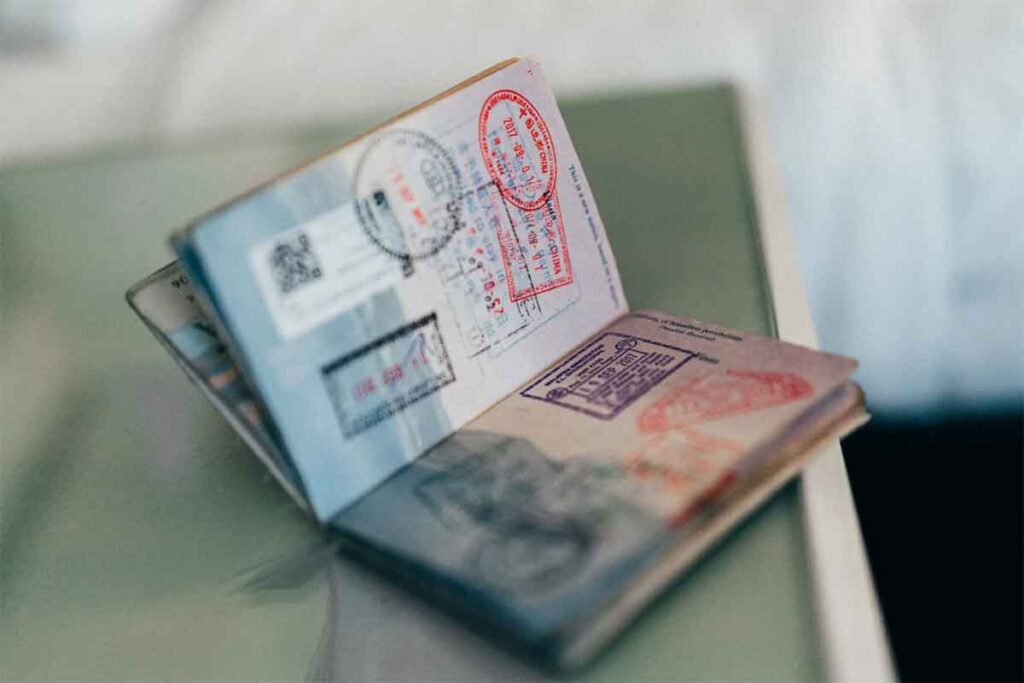
The use of plastic bags is banned in Tanzania-this is a rule that is very important to know. In fact, as of 2019, all passengers arriving in Tanzania could be subject to substantial fines for using plastic bags in any form. For this reason, it is important to avoid their use in any form and for any purpose (even for carrying souvenirs): paper bags are the most sensible choice in this regard.
What to watch out for in Tanzania: analysis of the main dangers
In essence, then, what are the important aspects and what should be paid attention to in Tanzania? What are the most common dangers that tourists need to be aware of?
The most important danger is that of petty crime, which to date is on the rise compared to a few years ago: if you are walking around on isolated streets or taking routes that might seem dangerous (perhaps because it is night or dark, dimly lit, or there are few people) you should definitely be very careful, and in any case it is always inadvisable to move around on foot in these conditions.
The use of authorized collective cabs (even better if you have them called by the hotel or directly arranged by the travel agency) and buses is strongly recommended to avoid subjecting yourself to any risks, especially in the poorer and more at-risk areas.
It is also necessary to avoid carrying too much cash, wearing jewelry or precious accessories, and “conspicuousness,” in short: even too much “touristy” clothing could arouse the attention of ill-intentioned people, and it is always good to keep your eyes open and always try to be around people.
A sound piece of advice, given the rising crime rate, is to avoid being in the car with the windows open and always put the safety catch on; in case of an assault, as there are several cases of violence, it is good to try not to cause any angry acts on the part of the attacker and thus not to take a rebellious attitude.
Where to go to be safe: recommended areas
We have already mentioned the neighborhoods of Dar es Salaam that may be somewhat at risk, but it should still be known that in any case one should not think that Tanzania is so different from other regions of the world. It is true that crime is present just as it is true that it can also be violent and that, at the same time, there are cases of aggression and violence in the case of theft, muggings, and robberies: however, it is also true that with a little extra care and by following the suggestions we have just given, the risks are greatly reduced and are equal to those one faces anywhere else in the world.
Therefore, we can say that in general you are safe if you avoid those situations that can be risky and that it would always be recommended to be accompanied by a local guide who not only knows the roads and dangers well, but also knows how to guide you to the safest areas at the times when they actually are.
To make it clear, even a beach can turn into a danger if it is located in an area far from hotels and places for tourists, and in any case it is always recommended not to go there alone at night; likewise, even very crowded places, no matter how safe they may seem, can be a danger and require a higher threshold of attention because that is precisely when incidents of theft or mugging can occur.
If you are traveling together with your children and if they are minors, then it is always a good idea to carry them by the hand and keep their eyes wide open to prevent them from endangering themselves while hiking, even if they are just playing or running.
Is Tanzania safe? Final considerations on general safety
As said, therefore, there is no reason to say that Tanzania is excessively dangerous, and there are no particular limitations, provided, however, that care is taken at all times. The answer to the question “Is Tanzania safe?” is yes, relatively speaking, when compared with other African countries and even some parts of European cities. The current situation in the country shows a positive development from the point of view of tourism safety, mainly due to the growing awareness of the importance of tourism to the local economy.
Many tourists return to Tanzania year after year precisely because they recognize that, with proper precautions, it is a safe and fascinating destination. Local authorities have implemented several measures to ensure the safety of visitors, especially in the areas of greatest tourist interest.
Is Tanzania dangerous for disease? Health considerations
As far as diseases are concerned, there are some considerations that definitely need to be made. In fact, as you move away from tourist areas and into the interior of the country, you may face some risk because the situation in those areas is definitely more severe than in the cities or areas heavily traveled by tourism.
However, the problem, specifically, is not only with the diseases that can be contracted but also with everything that revolves around it: for example, medical personnel are in short supply, as are health care equipment and drugs; also, there is not much control regarding blood donations, which means that transfusions may not be safe.
All of this requires us to recommend that tourists both take the utmost care to avoid situations that could put their safety at serious risk (for example, if you are not trained, it is a good idea to consult your doctor before trekking at high altitudes), and to take out health insurance before departure that can cover all medical expenses and transportation for repatriation (remembering, in this regard, that urgent air transportation from Zanzibar or Dar ES Salaam can be used).
Regarding vaccinations, there are no particular indications for those who do not come from infected areas (e.g., for those coming from Europe) but, for example, in Tanzania it is possible to contract yellow fever and malaria with the risk going up as one moves away from tourist areas (malaria can be contracted throughout the year below 1800 meters).
Thus, while it is true that there is no vaccine against malaria (and in this case it is recommended to follow stricter hygiene rules and avoid mosquito bite risks) it is still recommended to carry broad-spectrum antibiotics that can prove very useful in fighting off possible infections. Adopting preventive behaviors can certainly ward off the risk of being stung. These behaviors are, for example:
- Use long pants that cover the legs and long-sleeved shirts that cover the arms, preferably light-colored
- Use mosquito repellents such as skin sprays and insecticidal sprays for rooms where you stay
- Do not leave lights on unless necessary
- Do not go out in the evening hours when there is maximum activity by mosquitoes
- Use, if possible, air conditioning because low temperatures keep mosquitoes away
In addition, for all diseases that can be contracted in Tanzania (and which also include eye, intestinal, gastrointestinal, urinary and genital infections, cholera, hepatitis, diphtheria, and measles) it is good to pay attention to maximum hygiene by also avoiding the consumption of raw and fried foods and vegetables with peel; not drinking water from public fountains or springs or using ice to cool drinks; and avoiding bathing in lakes, rivers and canals.
Animal attacks: behavior and prevention
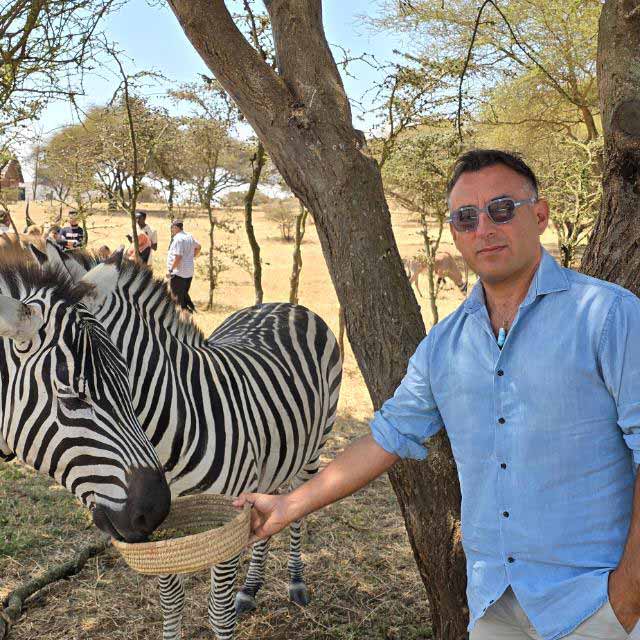
However, the animals that can be observed during excursions and safaris in Tanzania are mostly distant from humans (in fact, one always tries to maintain a certain distance and always pays close attention) and also are quite accustomed to observation.
However, sometimes it may happen that an animal gets upset and may then attack the human being.For this reason, it is always advisable to adopt the common sense rules, which are not to get too close to the animals you are observing and to respect their habits and spaces.
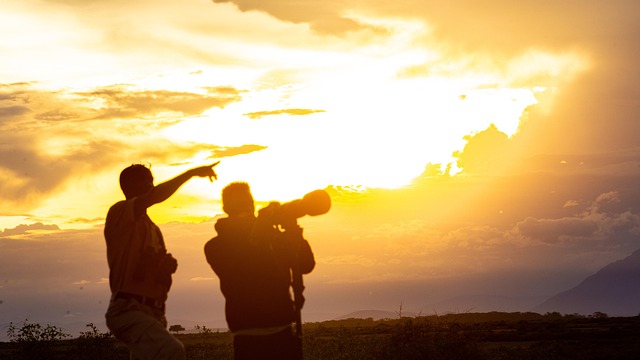
In any case, one should always follow the advice of the tour operator or local guide, avoiding as much as possible behaviors that may prove harmful and dangerous not only to oneself but also to the group.
Specific local hazards: situation by region
The dangers we have described so far generally concern Tanzania, but there are some risks that can be considered more specific and perhaps confined to particular areas. For this reason, in addition to paying close attention to what has been specified so far, it is always advisable to adopt preventive behaviors, which include, for example, precise and detailed information about the area where you are going on vacation.
The security situation varies significantly across different regions of Tanzania. Understanding the geographic distribution of hazards is critical for informed and safe travel. Here is a detailed analysis by zone:
Zanzibar and Islands: For example, if you decide to visit Zanzibar you need to be aware that in the Unguja and Pemba islands violent clashes between protesters and law enforcement can sometimes occur, with the risk of even attacks during demonstrations, especially in the city. Conversely, muggings can occur on isolated beaches: avoiding isolated areas at night and not going to places where demonstrations and gatherings take place is important to counter the risks.
Border Zones: There are other hazards to watch out for in border zones that deserve specific investigation:
- In the area bordering Burundi you have to watch out for armed gangs
- In the one bordering Malawi, one needs to be alert to possible tensions that may be present due to yet unresolved situations
- In the part bordering Mozambique, there is still a risk of violent incidents such as armed attacks
- In regions bordering Kenya there may be politically motivated violent incidents
Keeping informed with local authorities always reduces the risks: you must, however, always follow directions and warnings and never do it on your own.
Crime: general overview and prevention measures
We have already had a chance to talk about crime, which is certainly widespread in these areas and, by the way, also increasing considerably. The crime situation in Tanzania requires a thorough understanding so that tourists can make informed decisions.
It should be remembered, however, that there have also been incidents of flash kidnappings over the past few years, which is why it is not a good idea to trust the first person you meet and it is advisable to always lock yourself in your room or cab (which, as mentioned, must be authorized even better if called directly from the hotel).
Common types of crime include theft from bags and backpacks, muggings, armed robberies in remote areas, and scams on inexperienced tourists. However, it is important to note that most of these crimes are preventable with awareness and shrewdness.
To avoid any other risks, we need to pay attention to everything we have been through, avoiding uncrowded neighborhoods, isolated areas, and not resisting robbery attempts that can result in very violent and dangerous episodes.
Conclusion: is Tanzania dangerous or not?
In conclusion, when asked ” Is Tanzania dangerous?” the most accurate answer is: it depends. It depends on the level of awareness, travel preparation, and the ability to follow local advice. Tanzania is not inherently more dangerous than many other world tourist destinations.
With the right preparation, knowledge of specific hazards, and taking the appropriate safety measures, it is possible to have a safe, memorable and discovery-filled travel experience.
The key to safe travel in Tanzania is abalance between awareness and confidence: awareness of the risks and confidence in the preventive measures that can be taken. Millions of tourists visit Tanzania every year without significant incident, proving that the country is a reliable tourist destination when approached with the right attitude and precautions.