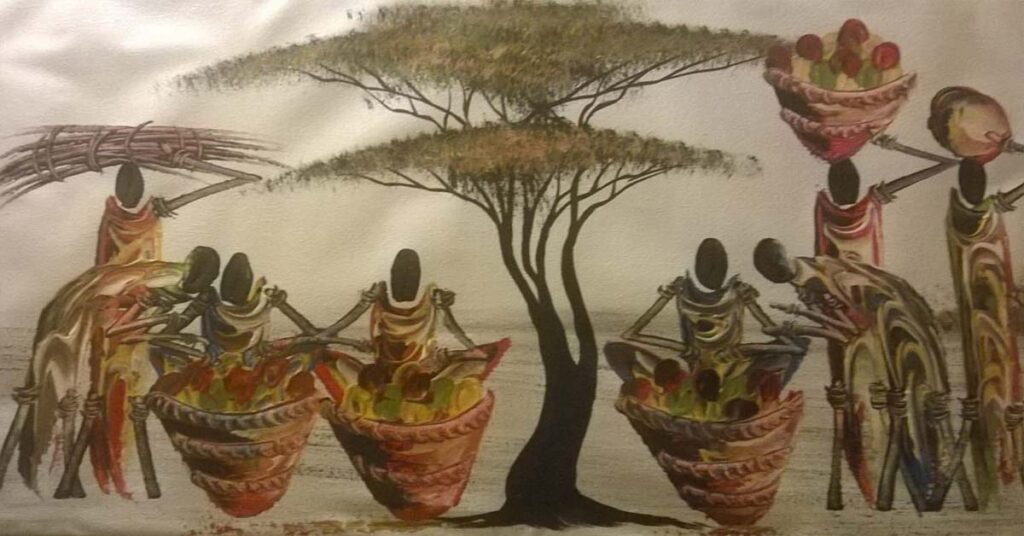


On the southeastern coast of Unguja, the main island of the Zanzibar archipelago, lies Jambiani, a village that smells of sea and tradition. Here daily life is an interweaving of simple but fascinating activities: fishermen return with their sailboats at sunset, women harvest seaweed that becomes valuable products, and young people enjoy acrobatics on the beach.
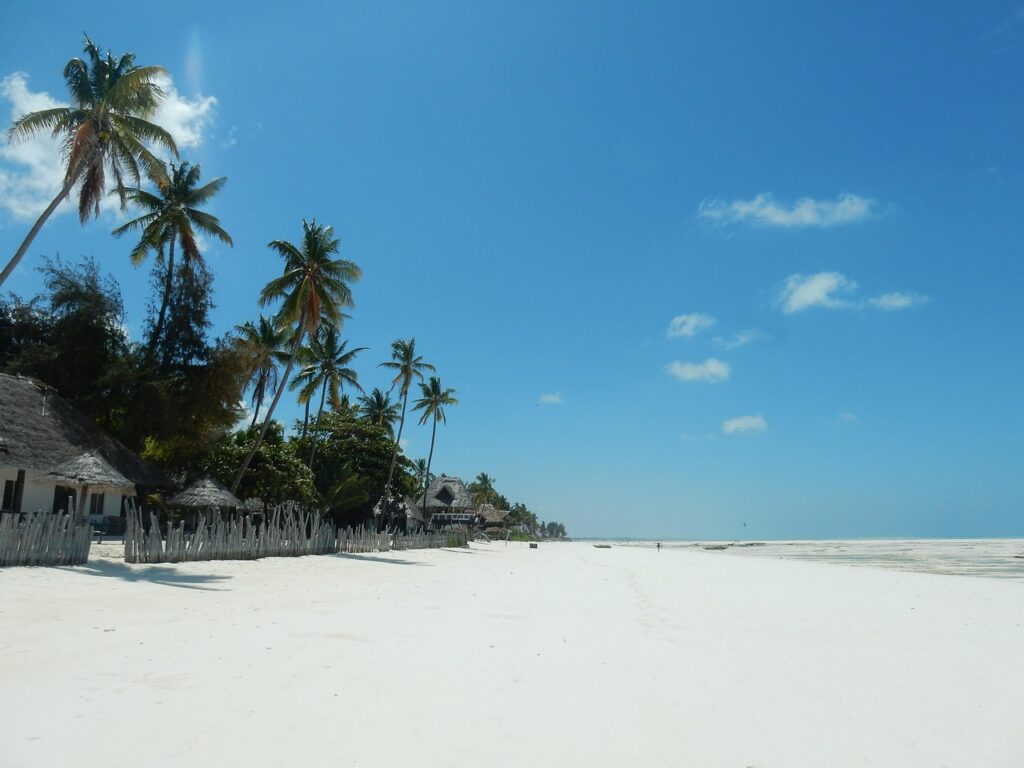
The greeting “Jambo! Jambo!” accompanies every meeting, a warm invitation to feel part of a community that welcomes with a smile those who arrive to discover this corner of paradise.
A different tourism
Jambiani is not the destination for mass tourism. Here you won’t find large resorts or crowded clubs, but a slow and genuine pace that invites you to experience the island in a respectful and environmentally sustainable way. Its long white sand beach, washed by a sea that fades from blue to emerald green, is just the beginning: the real beauty lies in the chance to learn about the local culture and to learn to appreciate the simplicity of daily life.
Women of the sea: the Sponge Farm in Jambiani
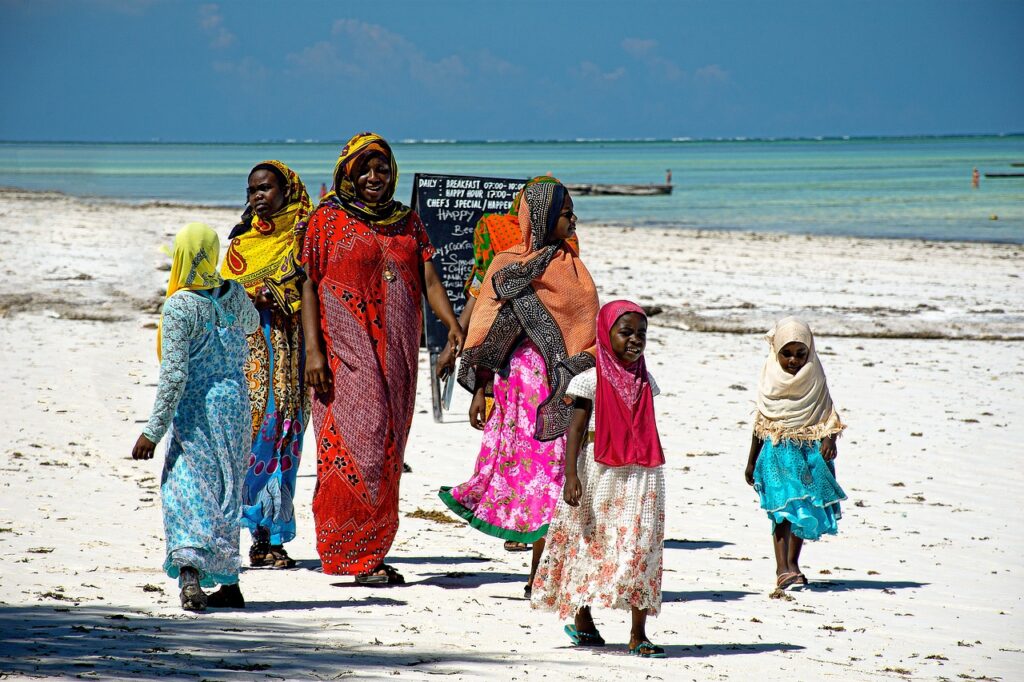
As the tide recedes and the beach seems to lengthen until it touches the horizon, the village of Jambiani comes alive with color and movement. Small groups of women, wrapped in their brightly hued kangas, advance toward the water with buckets, masks and nets, ready to begin a special day’s work: they are the sponge farmers, known as sponge farmers.
To visit the Sponge Farm is to understand the dedication required to raise quality sponges. Farmers spend hours submerged up to their chests in water under the scorching sun, cleaning buoys and ropes and keeping the marine environment safe for the sponges to grow. It is a long and delicate process: each specimen takes 9 to 12 months to mature, and during that time, there are many challenges.
Walking around the village, you happen to see seaweed spread out to dry on colorful cloth sheets, sheltered from the sea breeze. Once dried, they become the basis for the production of natural soaps and handmade cosmetics, enriched with the spices that have made Unguja famous as “the island of spices”: cloves, cinnamon, ginger and many other tropical fragrances.
In the past, seaweeds were also used in cooking, but this practice is now rare. Today their by-products are mainly for tourists and can be found in hotel stores or local Farmers’ Markets. Those seeking a more authentic experience can buy them directly from the village women: packaged in plain coconut fiber wrappers, with handwritten labels indicating the spice used, they encapsulate all the authenticity of a tradition that endures over time.
Jambiani’s beaches are among the most beautiful on the island: long stretches of white sand, turquoise water, and a coral reef that offers breathtaking scenery for snorkeling and diving. During low tide it is possible to walk hundreds of meters into the seabed, discovering starfish and shells.
Muyuni Forest: the green heart near Jambiani
Just a stone’s throw from the long stretches of white sand of Jambiani lies a natural oasis that seems to belong to another world: the Muyuni Forest. This green lung, spanning more than 5,000 hectares, is a tangle of evergreen trees, dense thickets and mangroves that tell the story of the wildest part of Zanzibar.
Even today, the forest is still a valuable source of timber for the local community, but tree felling is strictly regulated to preserve the balance of an ecosystem that is as fragile as it is vital.
A refuge for rare species
Muyuni is home to some of the island’s most iconic and rare species, including Zanzibar red colobus, agile antelope and numerous varieties of tropical birds. However, its most precious gem is the micrococca scariosa, an endemic and now endangered plant that finds its last safe haven in this forest.
To explore the Muyuni Forest is to immerse oneself in a pristine environment where nature is the absolute protagonist. An experience that completes the charm of Jambiani, giving those who visit it a different perspective on the island. So Jambiani reveals itself not only as a place for a dream vacation…. You can enjoy its biodiversity and lush landscapes. Small, but precious.
What to do in Jambiani?
Walk along the sea and magic of the tides
One of the most fascinating experiences to be had in Jambiani is a simple walk along the waterfront, where the tidal phenomenon constantly transforms the landscape.
At low tide, the Indian Ocean recedes for hundreds of meters, leaving an endless expanse of soft white sand, still moist and glistening in the sun, to emerge. The turquoise waters are tinged with a thousand different hues, shifting from pale blue to emerald green in a play of colors that changes with the light of day.
Every step along the beach is a discovery: shells, starfish and small fish trapped in the natural pools tell of the hidden life of the reef. And when the tide rises, the sea returns to reclaim its expanse, once again reshaping the landscape.
Snorkeling on the coral reef aboard dhows
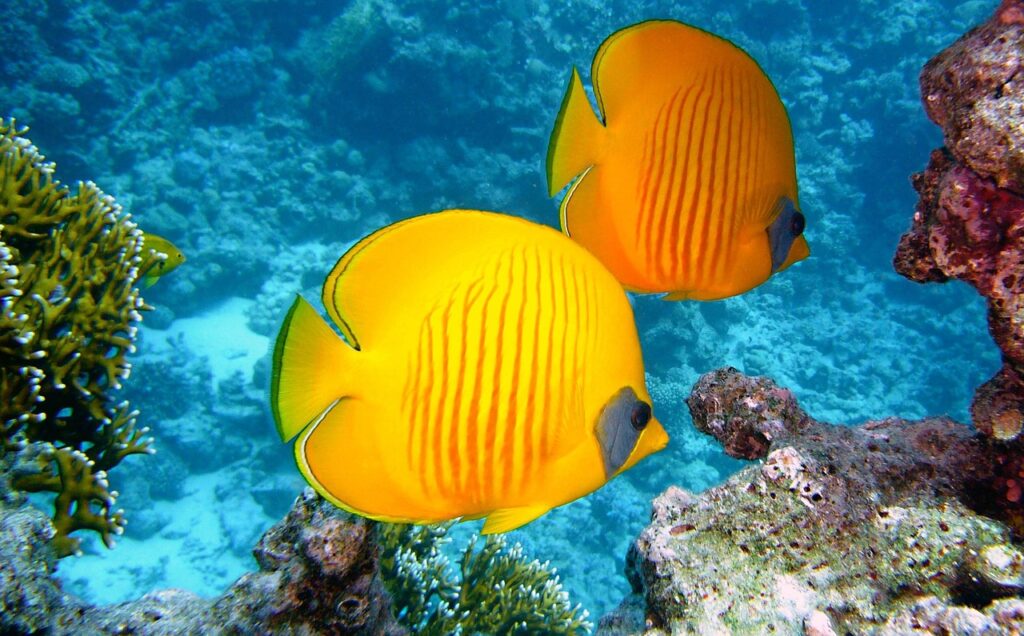
In Jambiani, the sea is not just a view to admire, but a world to explore. One of the most striking experiences is to board the dhow, the traditional local boats, and let the fishermen guide you to the reef.
For about $10, during the early morning hours, when the tide is low and the waters are calmer, you set out on a short trip on the waves of the Indian Ocean. The wood of the dhow creaks gently as the sea breeze accompanies the sail to the best snorkeling spots.
Here, among starfish, tropical fish and multicolored corals, underwater life is shown in all its beauty. Even those who are not experienced swimmers can enjoy this adventure, simply by being lulled by the water and the play of light that transforms the sea into a natural palette of hues.
Jambiani is the ideal place for those seeking authentic contact with Zanzibarian culture.
It is for those who want to have atravel experience away from mass tourism, amidst paradisiacal landscapes and timeless traditions.
Have we convinced you?
Don’t hesitate to contact us to book everything you need!
Phone: +39 380 253 1425
E-mail: info@safariavventura.com