

A Coral Paradise of Tanzania
Mafia Island, known as Mafia Island or Chole Island, is one of Tanzania’s major seaside resorts often mistakenly included among the beaches of theZanzibar Archipelago, likePemba Island and Unguja. The Island is actually part of the Mafia Archipelago, along with Chole, Juani and Jibondo Islands, and is located 25 km off the African coast.
Mafia Island is administered and governed from the mainland, being part of one of the six districts of the Pwani region. The island has a very small area, as is the number of inhabitants, who mostly live from fishing and subsistence farming.
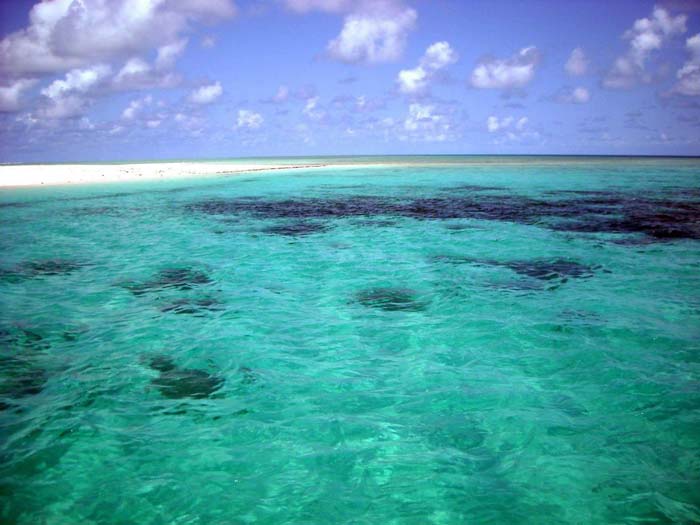
Mafia Island, however, is a wonderful tourist destination that is chosen each year by many tourists interested in Tanzanian travel, snorkeling and fine white sand beaches, not to mention, of course, all those interested in coral atolls.
The main activity in Mafia revolves precisely around diving and diving activities, as this island consists of enchanting corals and a remarkable variety of fish. The Island has also long been renowned for deep-sea fishing and is famous for the presence of tuna, marlin and other large fish.
Mafia Island Marine Park
Mafia Island Marine Park (MIMP), in Italian Mafia Island Marine Park, was opened in 1995 to protect an ecosystem of considerable naturalistic importance that harbored more than 400 species of fish in its waters.
The Marine Park was the first in Tanzania and consists of several islands of coral origin placed around the main island, Mafia precisely, after which the Park is named. The Park encompasses the diverse ecosystems of estuarine, mangrove, coral reef and marine channel in a unique complex. Within the park’s boundaries are about a dozen villages.
In addition to marine species, the island is also home to monkeys, antelopes, lemurs and other small mammals. Birds are also numerous, such as falcons and fish eagles, which are wont to nest on the rocks surrounding the main islands. Enchanting are not only the beaches and expanses of white coral, of which there are 48 species, but also the hinterland, where baobabs, mangroves, antelopes, 130 different species of birds and galacids, small nocturnal monkeys known as Children of the Woods, coexist.
BOOK YOUR SAFARI