The Great Migration

Herd Safari
Ngorongoro, Serengeti, Tarangire and Arusha
7

Days

in Tanzania
2.580 €as of
  • Destinations Ngorongoro, Serengeti, Tarangire and Arusha
  • Lunch packed/picnic
  • Dinner and breakfast at the lodges
  • Type Private safari
  • Amref Amref
  • Parks Ingresso ed attività nei parchi
  • Visit to the Masai Village (Ngorongoro)
  • Balloon Safari (Serengeti)
  • Transfers Transfers mentioned in the program, by private jeep.
  • Overnight stays Overnight accommodation at the lodge and tented camp
  • Professional Guide Professional Guide
  • Insurance AMREF Flying Doctors Insurance.
  • Transfer Transfers to/from the airport
  • Parks Admission and activities in the parks
  • Pension Full board + snacks and soft drinks during the safari
  • Airline Flights
  • Tips to guides and extras
  • Tassa di soggiorno a Zanzibar di 1 USD a giorno a persona
  • Entry visa
  • Anything not specified in “Included in the trip”. For any clarification on this matter, you may contact us at the contact details given at the bottom of the page; we will be happy to get back to you as soon as possible.

Tour Description.

During this special safari in Tanzania, you will get to experience 7 Days of safari to admire the beauties of Northern Tanzania, discovering the Great migration of herbivores, the most extensive migratory phenomenon in the world, a real spectacle for the eyes.

Day 1
Arrival and departure for Karatu

Upon arrival at the Kilimanjaro (or Arusha) Airport, our guide will welcome and take you to the lodge at Karatu, the ideal starting point for your visit to the Ngorongoro Conservation Area.
Dinner and overnight accommodation will at the lodge.
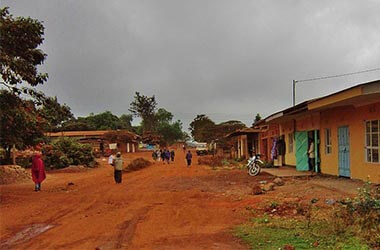
Transfer a Karatu
Day 2
Ngorongoro Crater

After breakfast, we will visit the Ngorongoro Conservation Area, one of the most famous safari destinations in the world, declared a World Heritage Site by UNESCO in 1978 and an International Biosphere Reserve in 1981. The Ngorongoro crater (permits for game drives inside the crater are valid for up to 6 hours) is the centre of attraction. Located at 2,200 meters above sea level, it is the largest uninterrupted caldera in the world, and one of Africa’s natural wonders, hosting about 30000 large mammals all year round, such as buffaloes, lions, elephants, cheetahs and rhinoceroses, as well as several bird species: flamingos, eagles, buzzards, ostriches and hawks. At the centre of the crater is Lake Magadi with its shallow waters which tends to almost dry up during the dry season, and is the best spot for watching flocks of flamingos, and crowned cranes, as well as several herbivores, especially a large number of wildebeests and zebras who drink here, attracting lions and hyenas.

We then head for Seronera after visiting the Ngorongoro crater.

Packed lunch will be served at the park.

Dinner and overnight accommodation at tented camp.
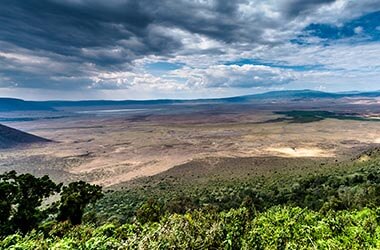
Cratere Ngorongoro
Day 3
Serengeti Park: from Seronera to the North of the Park

We head to the north of the Serengeti National Park after breakfast, to discover the world’s largest extraordinary migratory phenomenon.

Every year, about 2.5 million herbivores, mainly wildebeests and zebras, travel about 800 km in search of food and water. They head north of the Serengeti during the dry season, concentrating along the Mara River. The Serengeti is where legend meets reality, and is one of the oldest and largest parks in Tanzania, covering an area of 14,763 square kilometres, to the point that its name, of Masai origin, Siringet, means “Plain without borders”.

Packed lunch will be served at the park.
Dinner and overnight accommodation at tented camp, North of the Serengeti (near the river Mara).
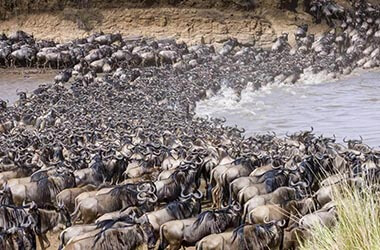
Parco del Serengeti migrazione
Day 4
North of Serengeti Park

After breakfast, we head towards the Mara River, following in the trail of the migration.

You will be surrounded by an immense expanse of animals, and will be able to see the spectacular crossing through the Mara river ford, a great river that the animals have to cross, where the biggest threat to them are the huge crocodiles. You will also find numerous hippo families here, including herbivores and predators: lions, cheetahs, hyenas, etc.

Packed lunch will be served at the park.

Dinner and overnight accommodation at tented camp in the North of Serengeti (near the Mara river).
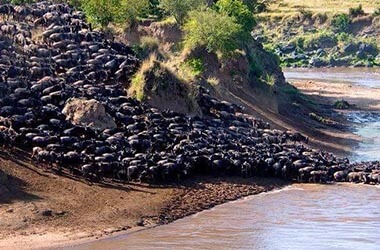
Parco del Serengeti Nord
Day 5
Serengeti Park and its Fauna

We continue our exploration of the extraordinary Serengeti National Park after breakfast, moving towards the centre of the Park. The boundless prairies are occasionally interrupted by bizarre granite formations – kopjes, among whose cracks often form small pools of rainwater, attracting lots of small animals, but also large predators such as lions who like to lie there or hide in ambush of a possible prey. Along the river are several circuits where you can see crocodiles, hippos and many other animals that come to drink, as well as leopards that often bask in the branches of the umbrella acacias present here.

We then begin our return journey, traversing the Ngorongoro Conservation Area once again, until we reach Karatu.

Packed lunch will be served at the park.

Dinner and overnight stay at the Lodge in Karatu.
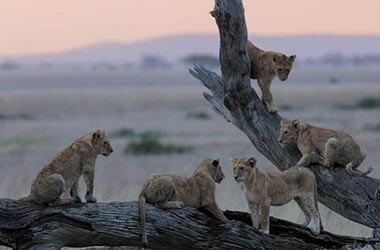
Grande Migrazione al Parco Serengeti
Day 6
Dinner and overnight at the Lodge in Karatu

After breakfast, we head into Tarangire National Park for a fascinating game drive. Here the undulating sylvan savannah, dotted with majestic baobab trees, many over 2,000 years old, is home to the largest elephant population in northern Tanzania. And when the dust blows over the dry plains, animal observation is absolutely astounding. In the late dry season, in fact, the park is home to the highest density of wildlife on the entire continent.

We then return to the lodge in Arusha after visiting the park.

Packed lunch will be served at the park.

Dinner and overnight accommodation at the Lodge
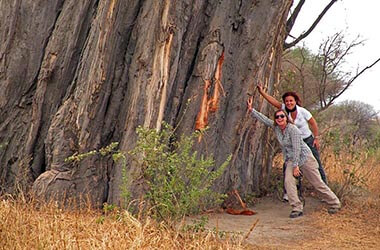
Visita Parco del Tarangire
Day 7
One last Tour before you head to the airport

The last day of the safari will also be well organized. After breakfast, if possible, we will visit the city and take a ride to the Arusha market to do some shopping and buy souvenirs for friends and family. We will then accompany you to the airport, to return home with a heart full of memorable experiences.
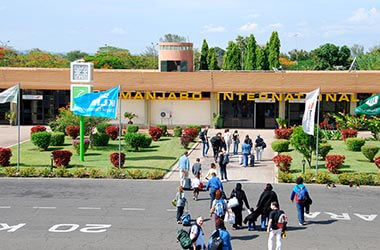
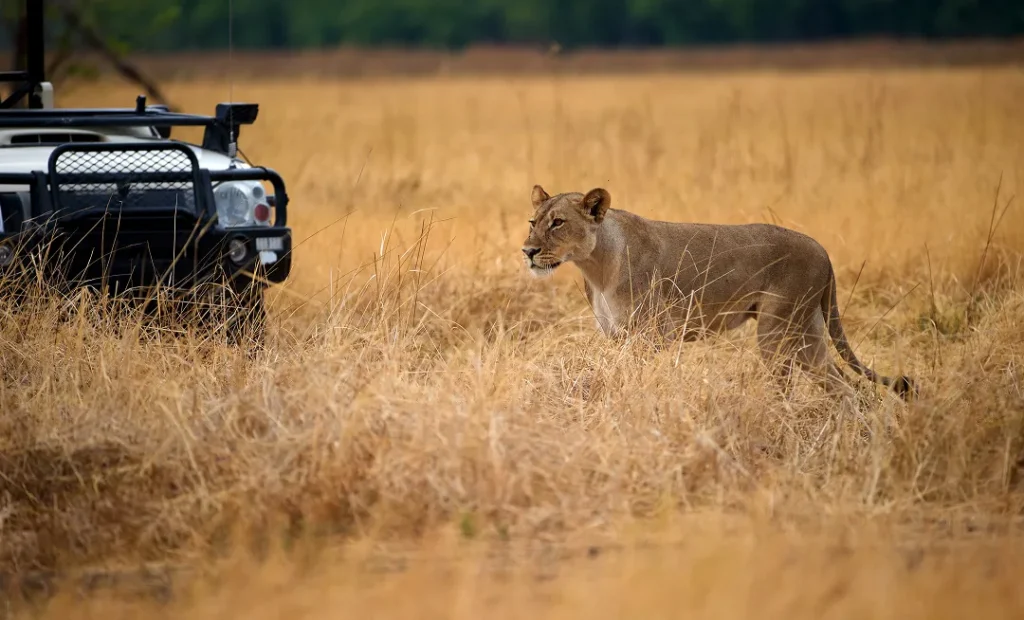
Arrivo in aeroporto e transfer

Ask us about safari packages:

For more information about our Tanzania itineraries, such as the one to Zanzibar, the Great Migration special tour or safaris in the African Rift Valley, or to request quotes or receive assistance and advice on the travel packages you have purchased, you can email or call us at the number below. We always respond within 24 hours.

How much does a safari in Tanzania cost?

The price of a Tanzania safari can vary depending on the itinerary you choose. The costs of our Tanzania tours include many services. The only expense not included is that of air travel. The cost of a trip to Tanzania can range from 700 to 3000 euros depending on the days and the type of tour you want to take.

When to go to Tanzania?

What is the best time of year for a trip to Tanzania? Tanzania has a tropical climate. In the highlands, temperatures vary between 10 and 20°C during the cold and hot seasons, respectively. The hottest period is from November to February (25-31°C), while the coldest period occurs between May and August (15-20°C).

What to pack?

For a safari in Tanzania, it is advisable to carry both lighter clothes and a half-weight to be able to better cope with the large temperature range between day and night. You should also carry a backpack, comfortable shoes, sunscreen, binoculars, a hat and toiletries.

What are the vaccinations for Tanzania?

No mandatory vaccinations are required unless you are coming from a yellow fever transmission risk country or transiting through one before reaching Tanzania. If you are transiting or coming from countries where yellow fever is at risk of transmission then you will have to have the preventive yellow fever vaccine.

Do you need a visa for Tanzania?

Two documents are needed for a safari in Tanzania: a passport, which must have a residual validity of at least six months when entering the country, an entry visa for tourist travel, which costs 42.40 euros and is applied for before departure at the Tanzanian Embassy in Rome or the Honorary Consulate in Milan. The form can be downloaded from: http://www.embassyoftanzaniarome.info/.

Airports in Tanzania: which one to choose?

Tanzania's main airport is Julius Nyerere International Airport DAR in Dar Es Salaam near the center and ideal for visiting the parks of southern Tanzania. Kilimanjaro International Airport (JRO) is the most important for international traffic and ideal for visiting the parks of northern Tanzania. Zanzibar Abeid Amani Karume, on the other hand, is only 5 km south of Zanzibar.

Tanzania currency: what is the exchange rate with the euro?

Tanzania's currency is the Tanzanian shilling. The local currency currently sees an exchange rate of 0.00035 euro for 1 shilling. It is advisable to always see the current exchange rate value before leaving.

BOOK YOUR SAFARI

Safari Adventure adheres to the principles of the World Code of Tourism Ethics.

We are a member of Atta, The African Travel & Tourism Association (Member no. 206435).
We operate under Tour Operator License Class “A” No. 005506 issued by the Ministry of Tourism of Tanzania.
We are a member of the Tanzania Association of Tour Operators (TATO).
We are a member of the Tanzania Tourist Board.

Travel, Tours and Deals for Safari in Tanzania and Zanzibar

Offers and unmissable itineraries in the magical lands of Africa

This site is registered on wpml.org as a development site. Switch to a production site key to remove this banner.