LAKE NATRON

Lake Natron, with the nearby volcano Ol Doinyo Lengai, is an unspoiled, rugged and particularly fascinating place, making it possible to experience enchanting excursions off the beaten track.

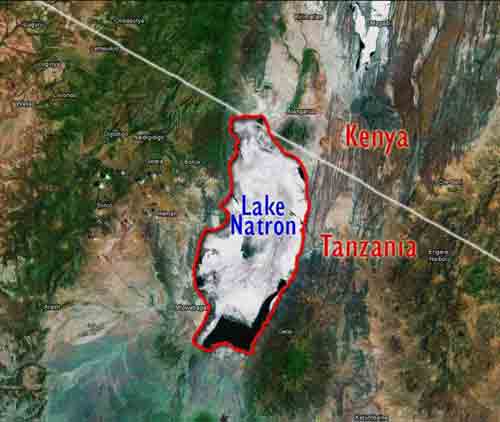
It is a 60-kilometer-long alkaline lake located northeast of theNgorongoro Conservation Area, characterized by hues that vary from white to pink and brown, depending on the time of year, and offering one of the most enchanting views during travel in Tanzania. Its size and colour also vary a lot throughout the year, and its waters withdraw so much during the dry season that large areas of soil covered with a thick salt crust are left bare.

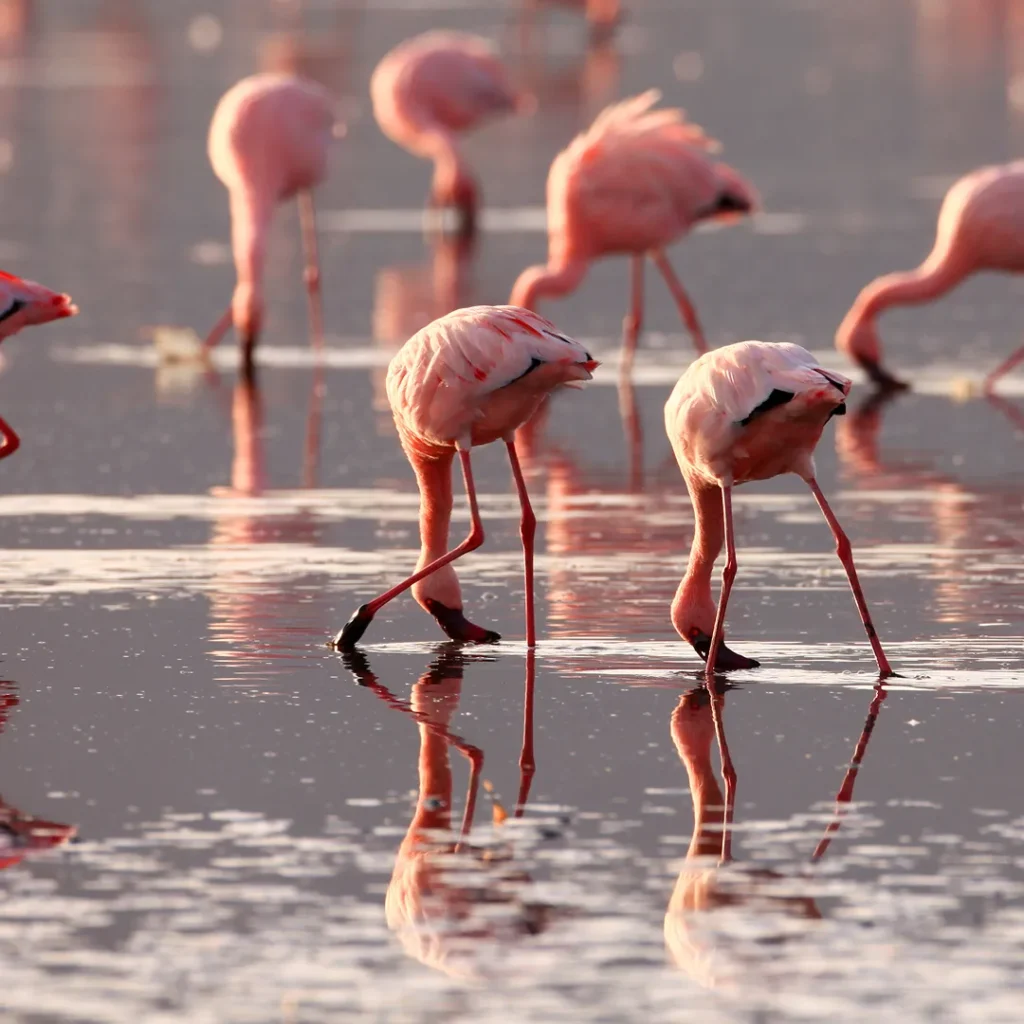
This is because the waters of Lake Natron are formed by some underground springs with very high salinity fromOl Doinyo Lengai, and by the low rainfall, which does not reach 400 mm annually and is insufficient to compensate for the high evaporation due to heat. The excessive salinity of the lake means that it is impossible for most animal species to live, with the exception of the lesser pink flamingos (lesser flamingo), which gather here in immense flocks (there are about 2.5 million of them) and nest every year in the months between August and October.

The lake is their ideal habitat both because their nests are safe from any predators, unable to reach them on the expanses of salt and mud that reach 50°C, and because of the high presence of the spirulina algae on which they feed and which gives them their characteristic color.

Lake Natron and the surrounding environment

Just before reaching the lake, the perfect cone of the Ol Doinyo Lengai volcano, the “Mountain of God” sacred to the Maasai people, can be seen on the left as they climb its slopes to bring offerings and propitiate the favor of the deity who inhabits the volcano.Ol Doinyo Lengai is the only active volcano among the many found in this belt of the Rift Valley and is very unique, almost one of a kind. In fact, it is the only volcano in the world that erupts sodium carbonatite, a very fluid lava that reaches significantly lower temperatures (about 500° C) than the more than 1,100° C of normal basaltic lavas.

Sodium carbonatite, not glowing during the day, is black in color immediately after spilling and quickly turns white by chemical reaction upon contact with rainwater, turning into a shimmering, fluffy powder, almost giving the image of a snow-covered crater. Only at night does the erupted lava turn red, recalling the classic image of an erupting volcano. The volcano rises to 2,890 meters above the flat salt surface of Lake Natron, and can be climbed for about 1,000 meters of elevation gain separating the point where you leave your car from the summit. The climb takes a minimum of 4 hours and up, depending on one’s level of fitness, and is quite challenging in the final section due to the particular gradient.

Once you reach the summit, however, you will have an exciting experience, and it will also be worth spending a night camped in the crater to have a better chance of witnessing an eruption and enjoying the nighttime images of glowing lava. Descending from the volcano, just before arriving on the southern shores of Lake Natron, you will encounter the very beautiful Ngara Sero gorges, where you can also take a refreshing swim.

The route up northwest to Klein’s Gate, which marks the northeastern entrance to Serengeti National Park, passes through several Maasai villages that are particularly interesting to visit for those who intend to see the life of a real Maasai village and not one built for the use of tourists as at Ngorongoro. In fact, during the Tanzania safaris we organize we care that the explorers we accompany experience and discover the real Africa.

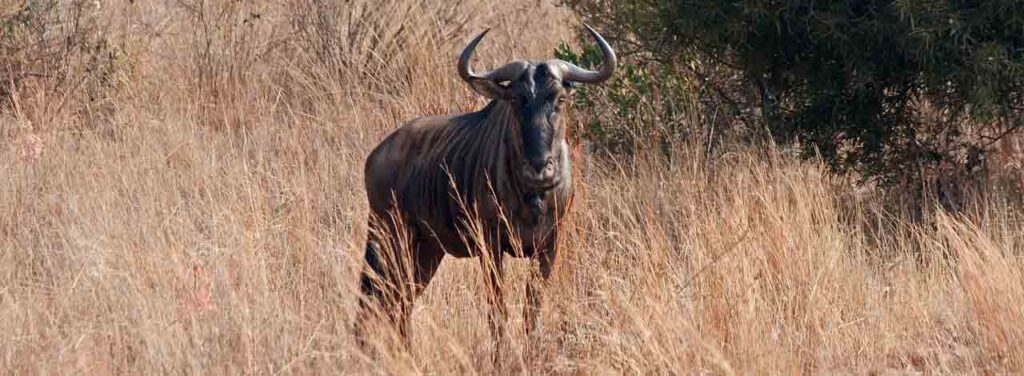
Ascending the escarpment of the Rift Valley over a terrain of large scree interspersed with crevasses, one arrives at Loliondo, a place with lush vegetation in contrast to the aridity of the surrounding lands. The area around Loliondo is particularly interesting in the period between October and December, when a large proportion of the herbivores participating in the great migration marching to the southern plains of the Serengeti pass through it.

The Lake that Petrifies Animals

As we had mentioned at the beginning, Lake Natron has a peculiar characteristic, namely its great alkalinity. This characteristic makes it a lethal Lake for hundreds of different species, which upon entering it risk being petrified.

The phenomenon is caused by sodium carbonate hydrate, known precisely as Natron, which in the past was used for embalming, and which transforms the lake water into a kind of ammonia-like substance with a pH between 9 and 10.5. When you come in contact with the lake water, the minerals turn animals into stone, trapping them forever.

Discover our itineraries in Lake Natron

Grand Safari in Tanzania

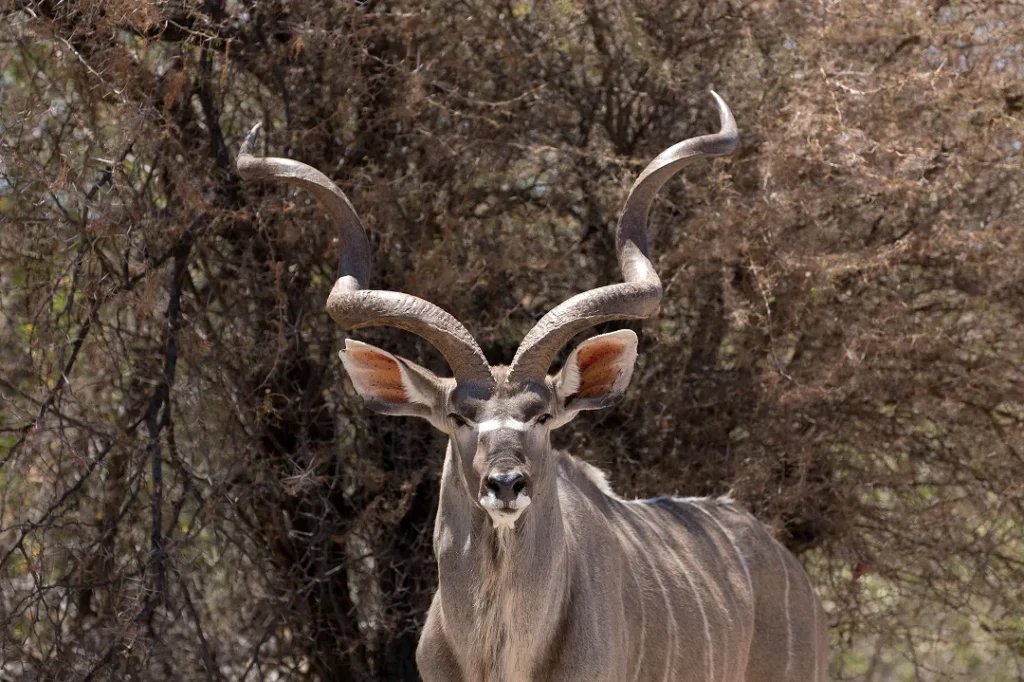
Kudu tours
11-day safari itinerary in Tanzania
as of 3.050 €

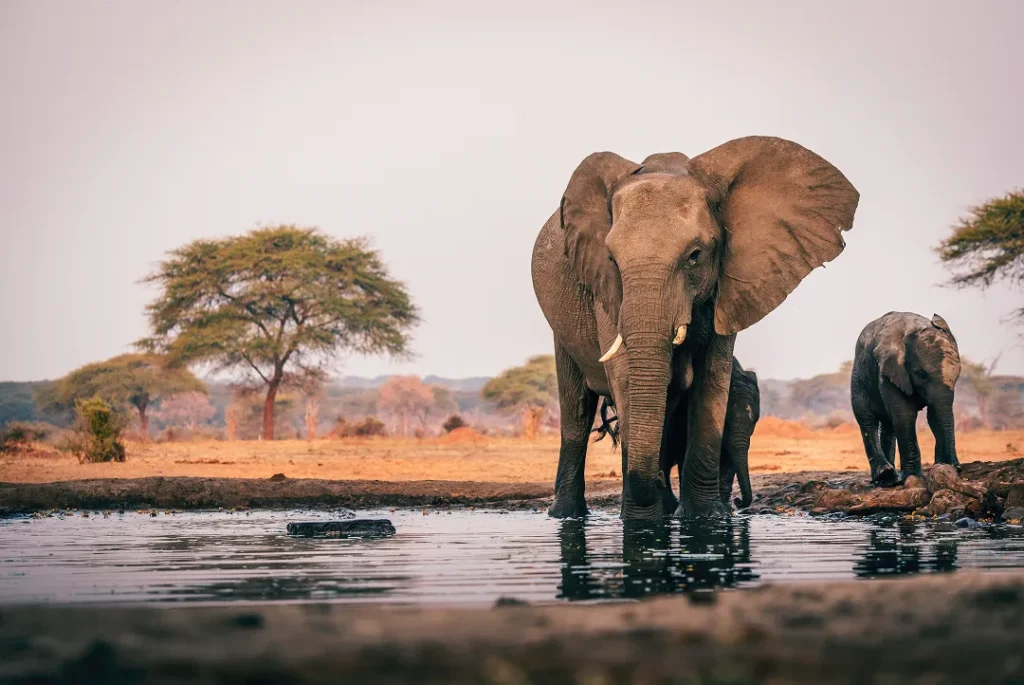
Land of the Elephants

Dumbo Tour
4 days safari in Tanzania
as of 949 €

Crossing rivers

Migration Safari
12 days safari in Tanzania
as of 2.930 €

Adventure and relax

Leopard Tour
9 days safari in the parks of Northern Tanzania + sea extension in Zanzibar
as of 3.860 €

BOOK YOUR SAFARI

This site is registered on wpml.org as a development site. Switch to a production site key to remove this banner.