The road continues, skirting the rim of the crater, to the two entrance gates that allow descent into its interior.
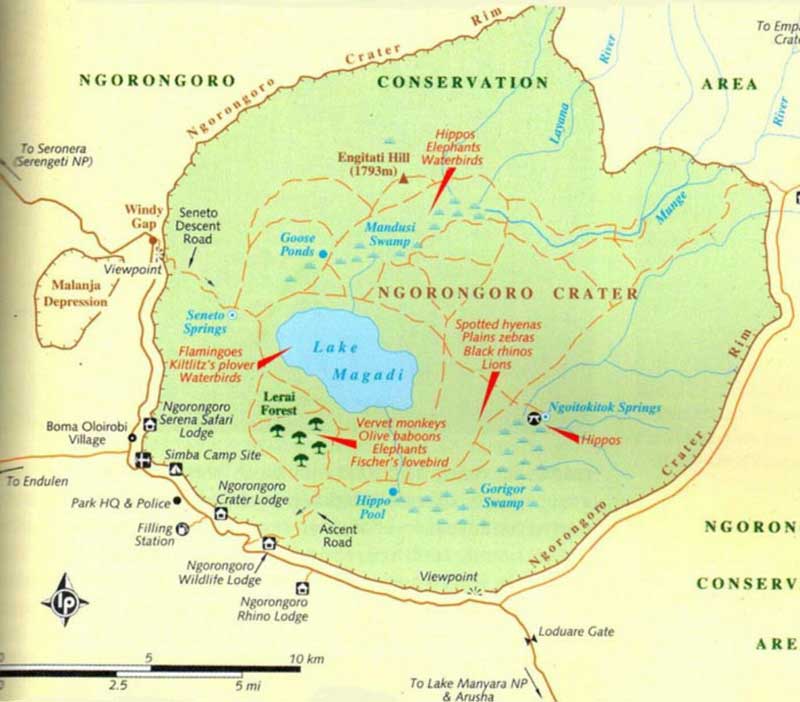
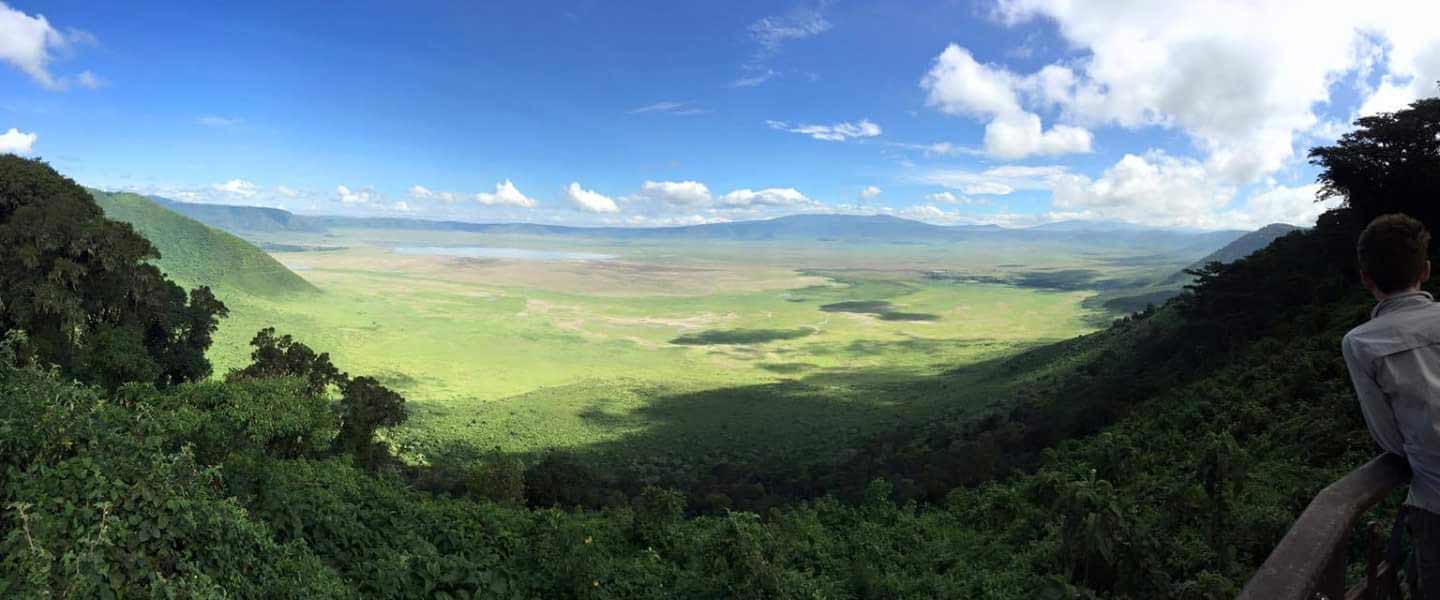
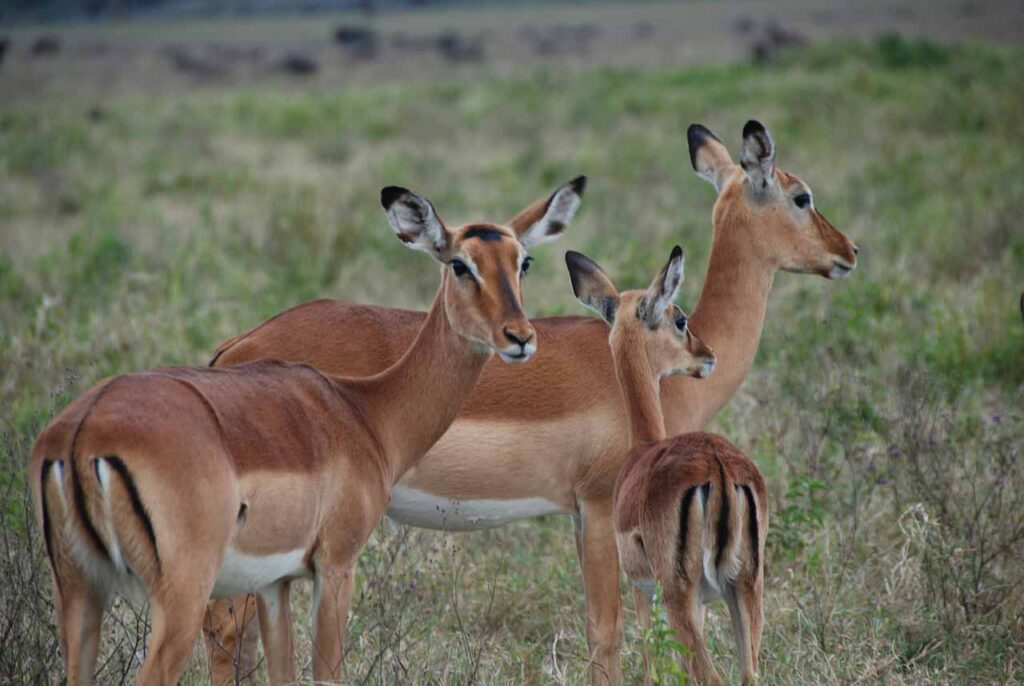
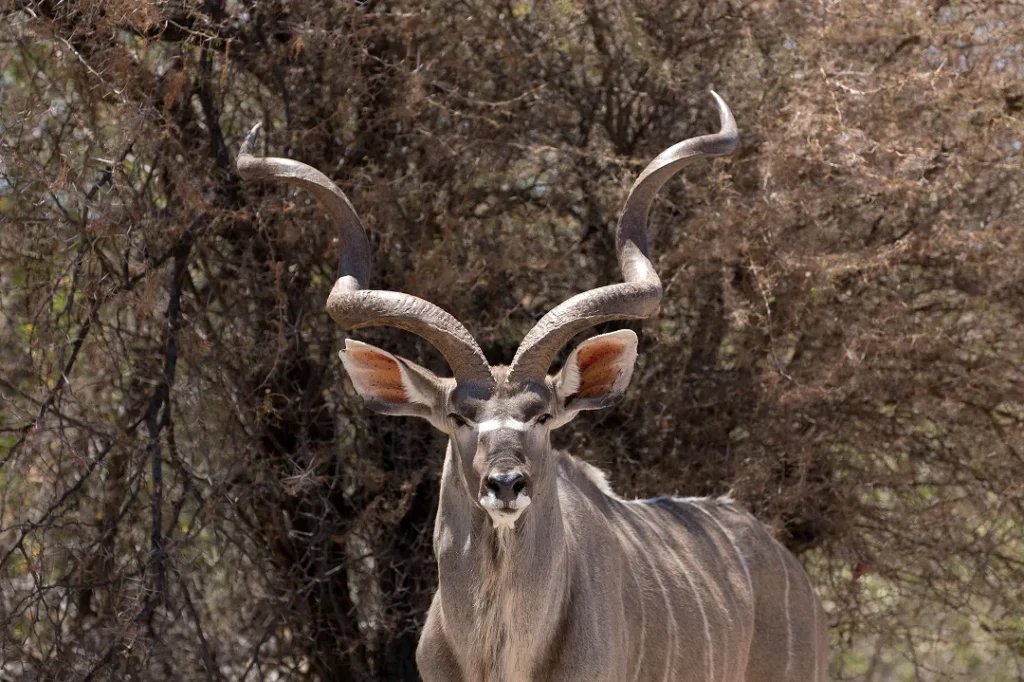
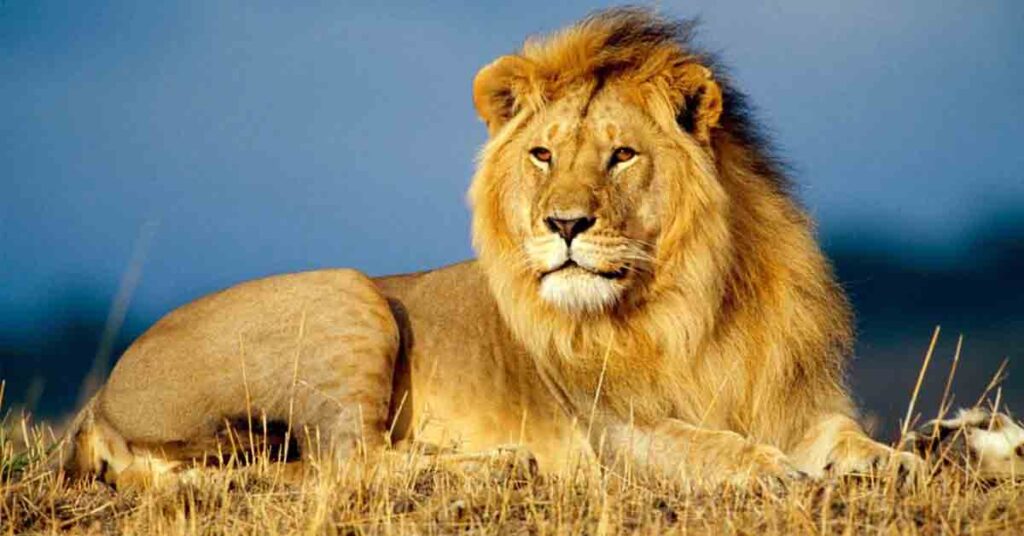
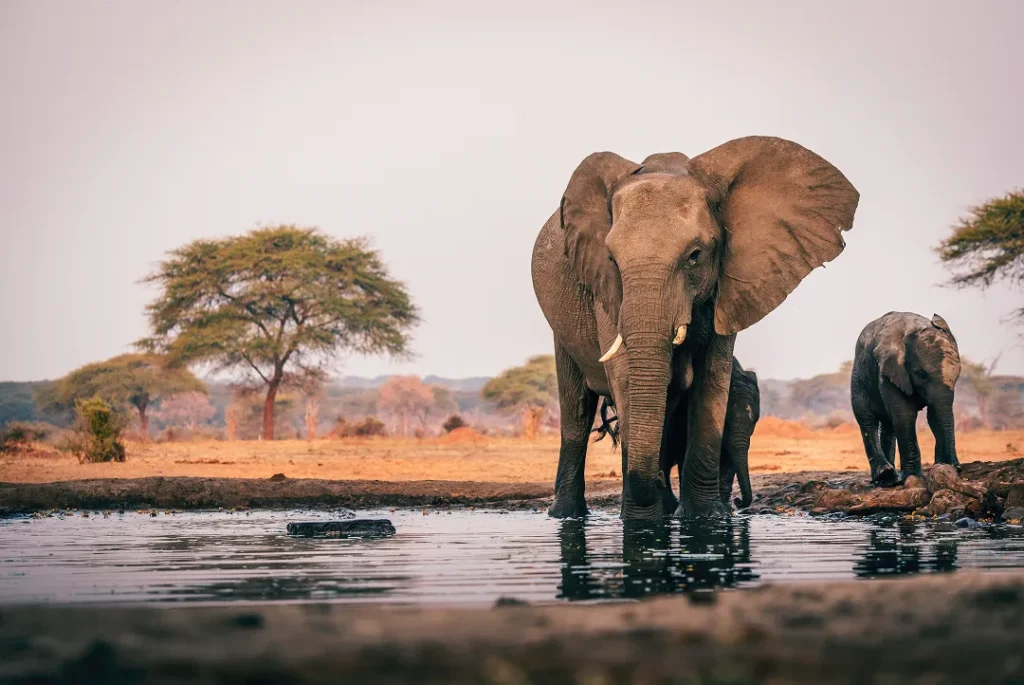
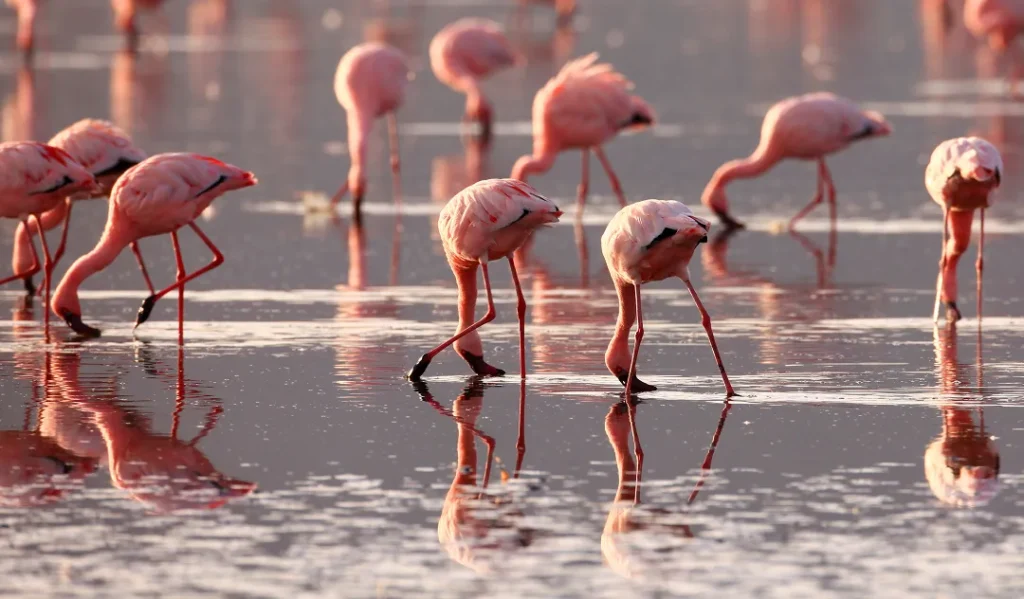
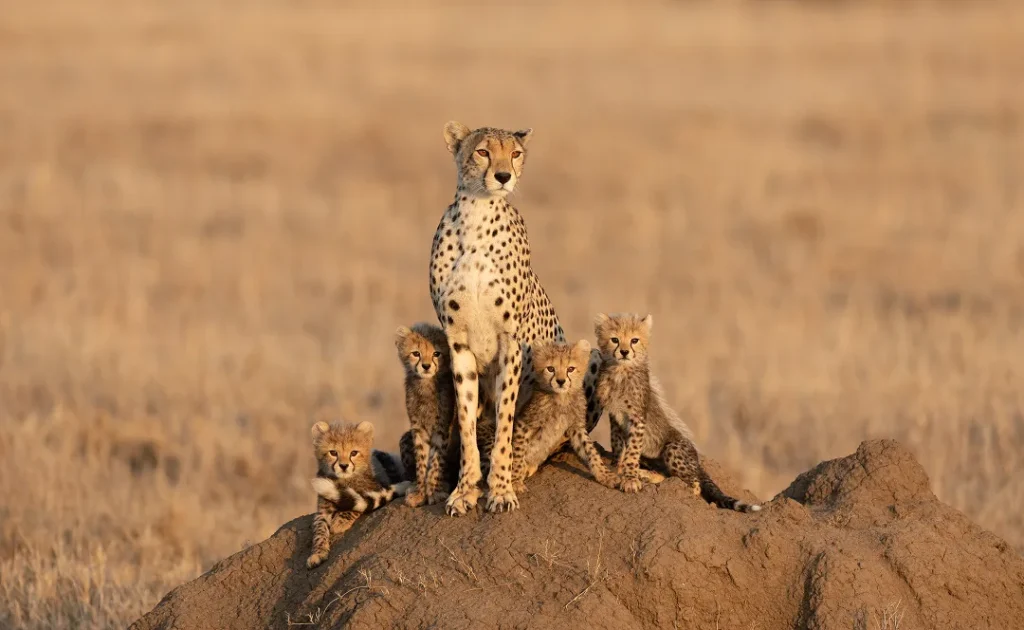
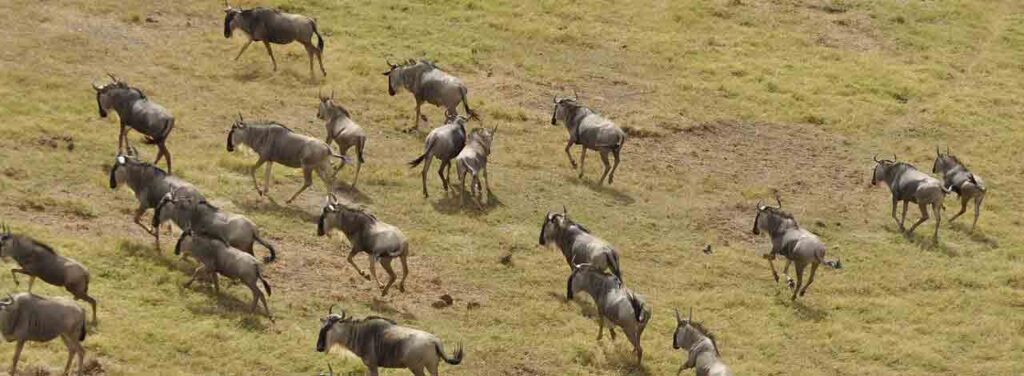
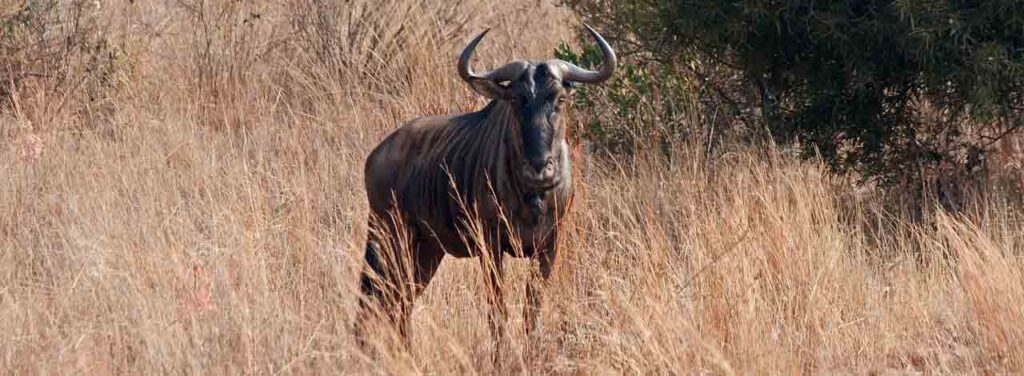
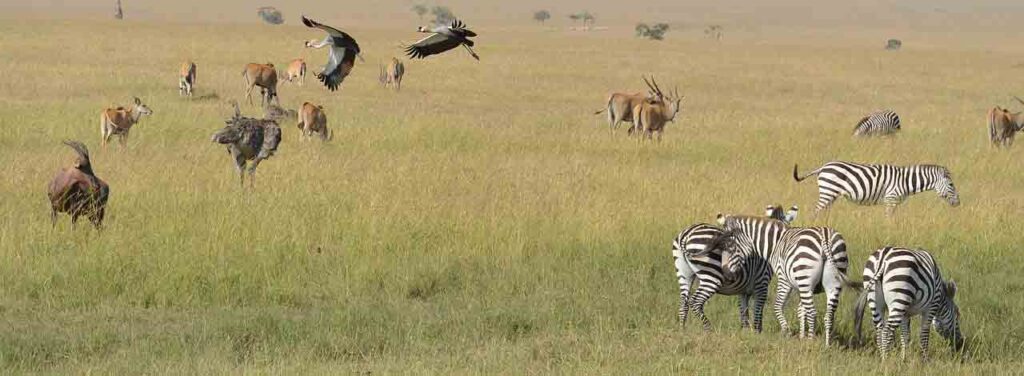
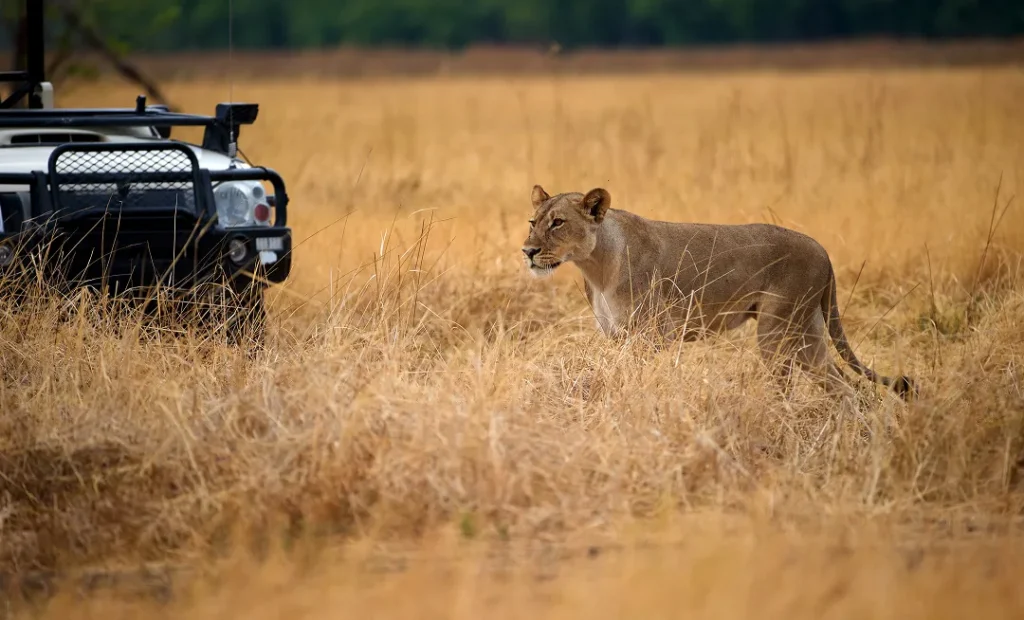
Ngorongoro Crater was formed about 2.5 million years ago by a mighty explosion that created a depression, plunging the volcano and leaving a crater 19 km in diameter, an area of 300 km2 and 600 meters deep. These dimensions make Ngorongoro the largest uninterrupted caldera in the world and one of the natural wonders of Africa with the presence of some 30,000 large mammals residing year-round, such as buffalo, lions, elephants, cheetahs and rhinos, and many varieties of birds, such as flamingos, eagles, buzzards, ostriches and hawks.
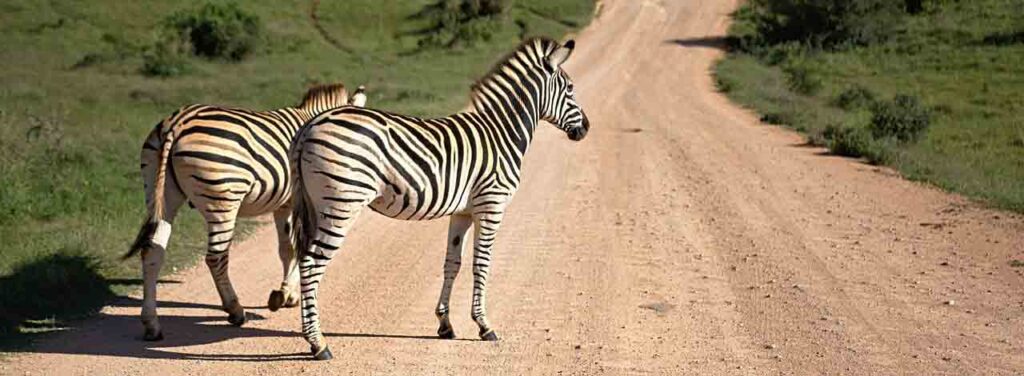
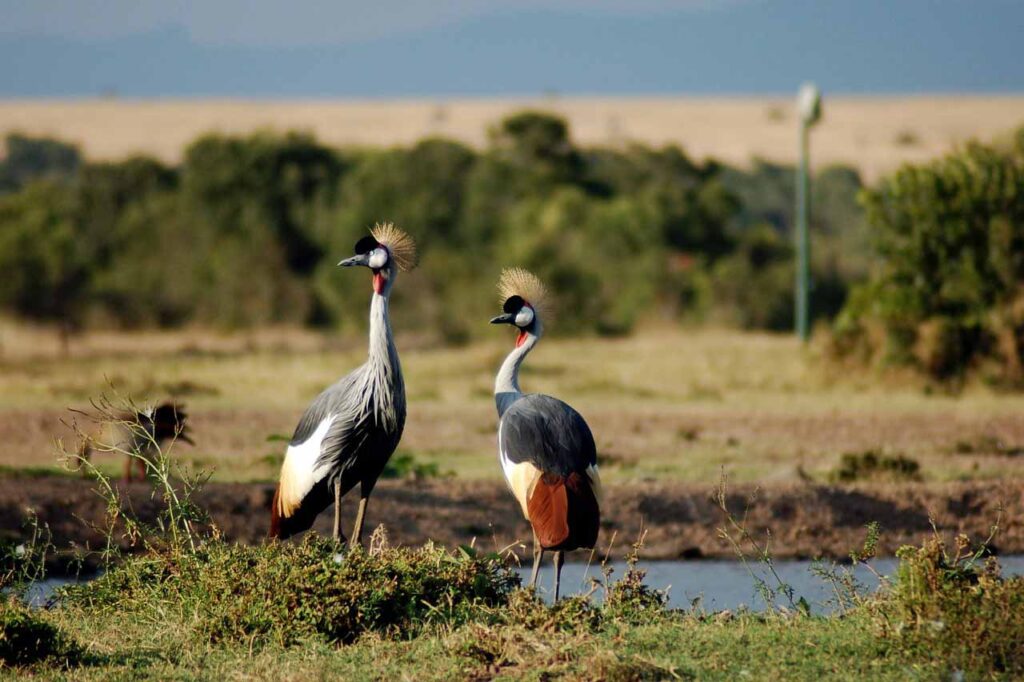
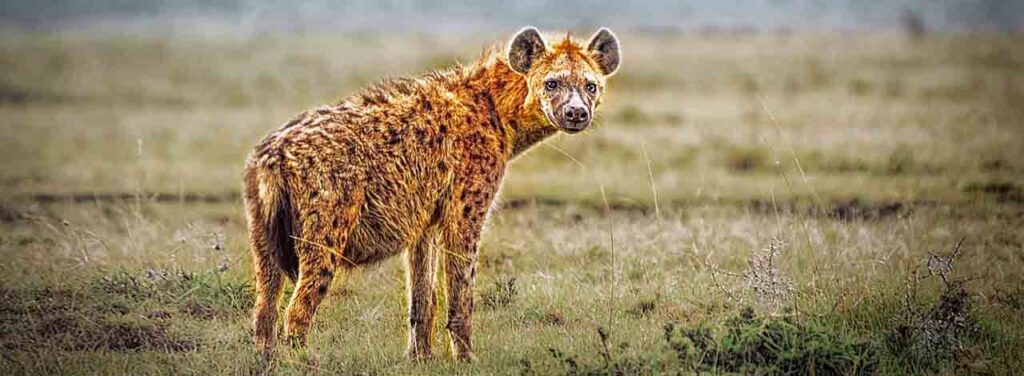
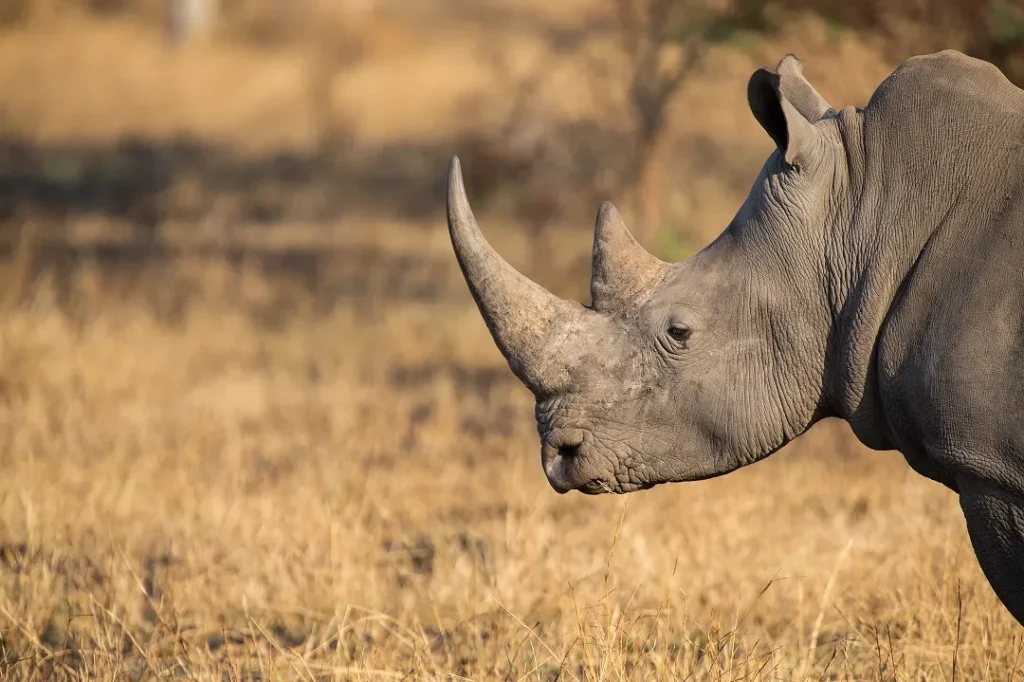
The crater’s center is occupied by the shallow waters of Lake Magadi, which tends to dry up during the dry season, and is the best place from which to observe flocks of flamingos and crowned cranes, as well as several herbivores, especially the large number of wildebeests and zebras who drink here, attracting lions and hyenas. South of the lake is the Lerai forest, characterized mainly by yellow acacias also known as the fever tree, while the rest of the crater is occupied by grasslands and small ponds that are home to groups of hippos. The crater is also almost the only place in Tanzania where it is possible to spot the extremely rare black rhinoceros, while giraffes are not present.
Outside the crater are other areas enclosed in the Conservation Area of considerable natural and scenic interest.
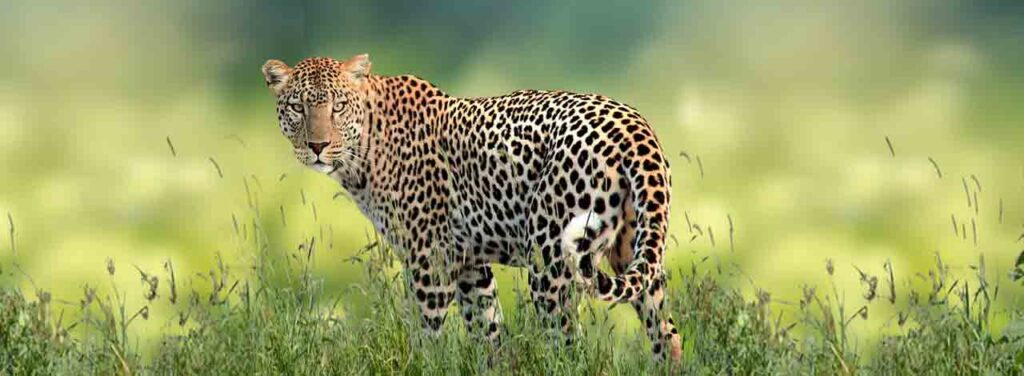
On the northeastern side of the reserve are the smaller craters of Olmoti and Empakai, where beautiful walks are possible (however, one must be accompanied by an armed ranger and a local Maasai guide, because in addition to herbivores, the presence of predators such as leopards, which unlike other felines easily exit the Ngorongoro caldera, is not excluded).
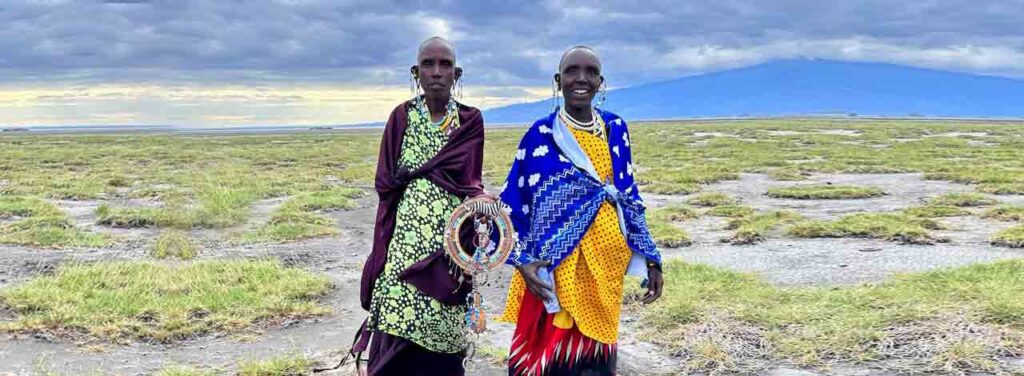
In this area it is also possible to encounter groups of Maasai grazing their many herds and villages. The Maasai are the only tribe allowed to inhabit the Ngorongoro Conservation Area, as they do not hunt or feed on wild animals, but exclusively on the animals they raise. This ethereal balance that has been created in the cohabitation between the Maasai and the wild animals is truly unique and is based on a form of mutual respect that can hardly be well understood by Westerners.
In the western belt are the plains between Lake Eyasi in the south and the small Lake Ndutu. They are the southernmost part of the vast plains of the Serengeti and are particularly interesting in the months between December and February, when many of the herbivores taking part in the great migration are concentrated. Not far from these are the Olduvai Gorge, the last place of interest before leaving the area to enter Serengeti National Park. The gorges are linked to a series of excavations that have unearthed some very important finds on several hominid species dating back even more than 3.5 million years that help to better understand the evolution of humans. Adjacent to the gorges is a museum full of information about the excavations conducted and the history of evolution.