Tarangire National Park
SAFARI AND MIGRATION FLOWS
Located in the north of Tanzania, Tarangire National Park is one of the most beautiful parks to see on tours in Tanzania, and is named after the river that runs through it, precisely the Tarangire River, and extends to Lake Manyara National Park. Tarangire Park, also known as Tarangire National Park, is characterized by wildly fascinating vistas where the savannah predominates.
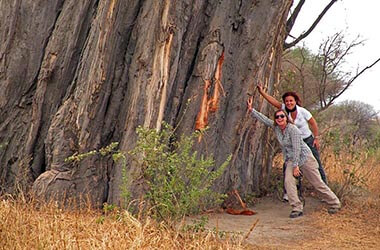
Tarangire National Park covers 2,600 km2 and is dotted with huge baobabs, spectacular trees of incredible size (they can reach 25 meters in height), particularly long-lived and hardy with bulging trunks and bizarre, often bare foliage that closely resembles a root system. Although it is now an iconic tree of Africa, known throughout the world, for locals it is also a source of food and medicine and is considered sacred by many tribes.
Flora and Fauna of Tarangire Park
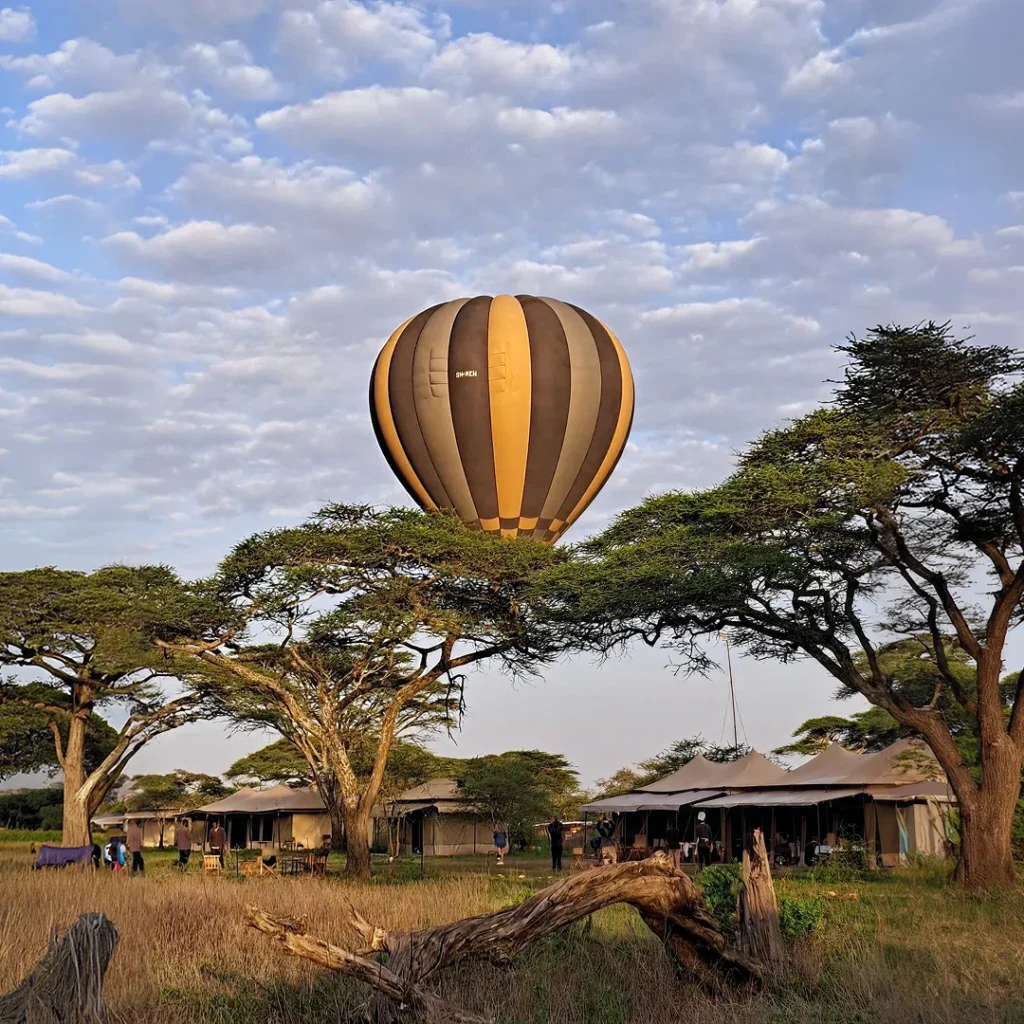
Tarangire Park, unlike others such as the Serengeti, has landscapes that tend to be more verdant due to the presence of the Tarangire River that runs through it, around which lush floodplains, woodlands, forests and swamps can be found. Characteristic of this park is the presence of two trees: the baobab, being the park with the largest number of such specimens, and theumbrella acacia, known as Acacia Tortillis.
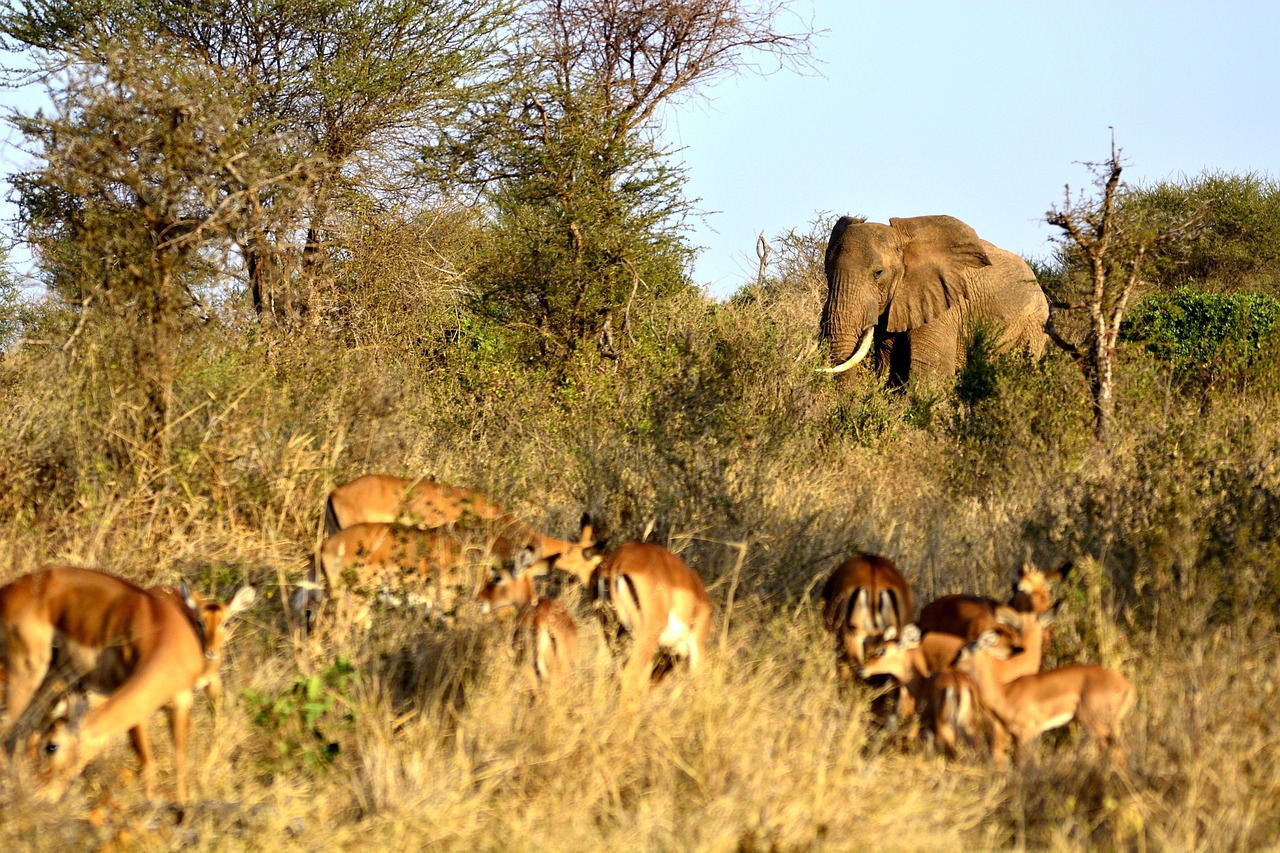
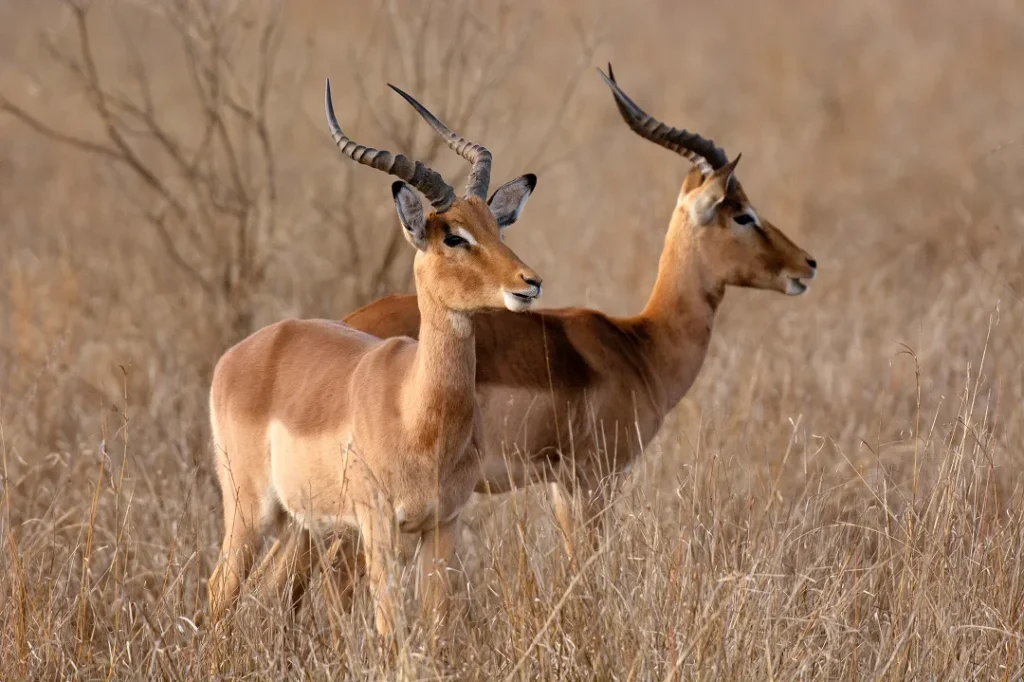
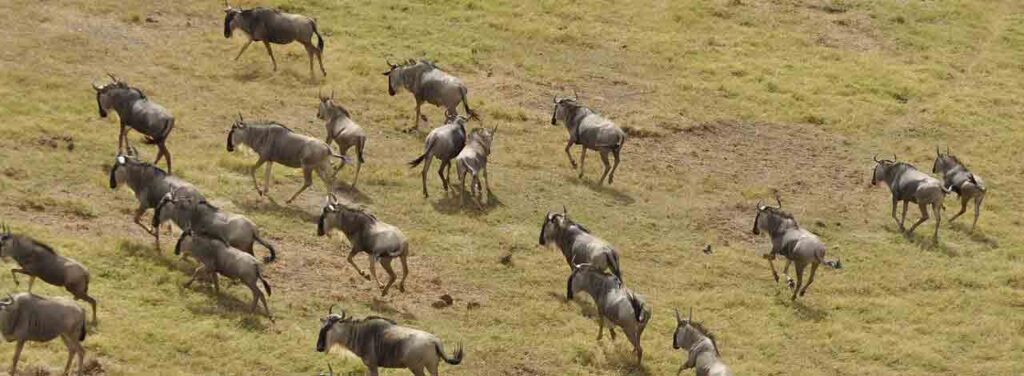
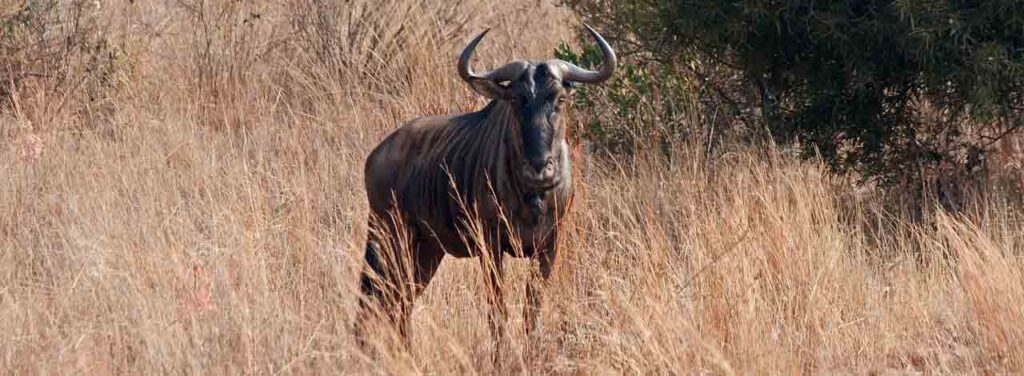
Migrations are one of the best-known features of this park, and migratory flows determine the presence of different animals depending on the time of year we are there. It is usually recommended to visit Tarangire during the dry season, as there is the highest concentration of animals of all the parks in Tanzania during this period. During the dry season, mainly from August to October, the Tarangire Park hosts a mass migration of wildebeest, zebra, antelope and elephants, which concentrate mainly around the remaining pools of water in the river.
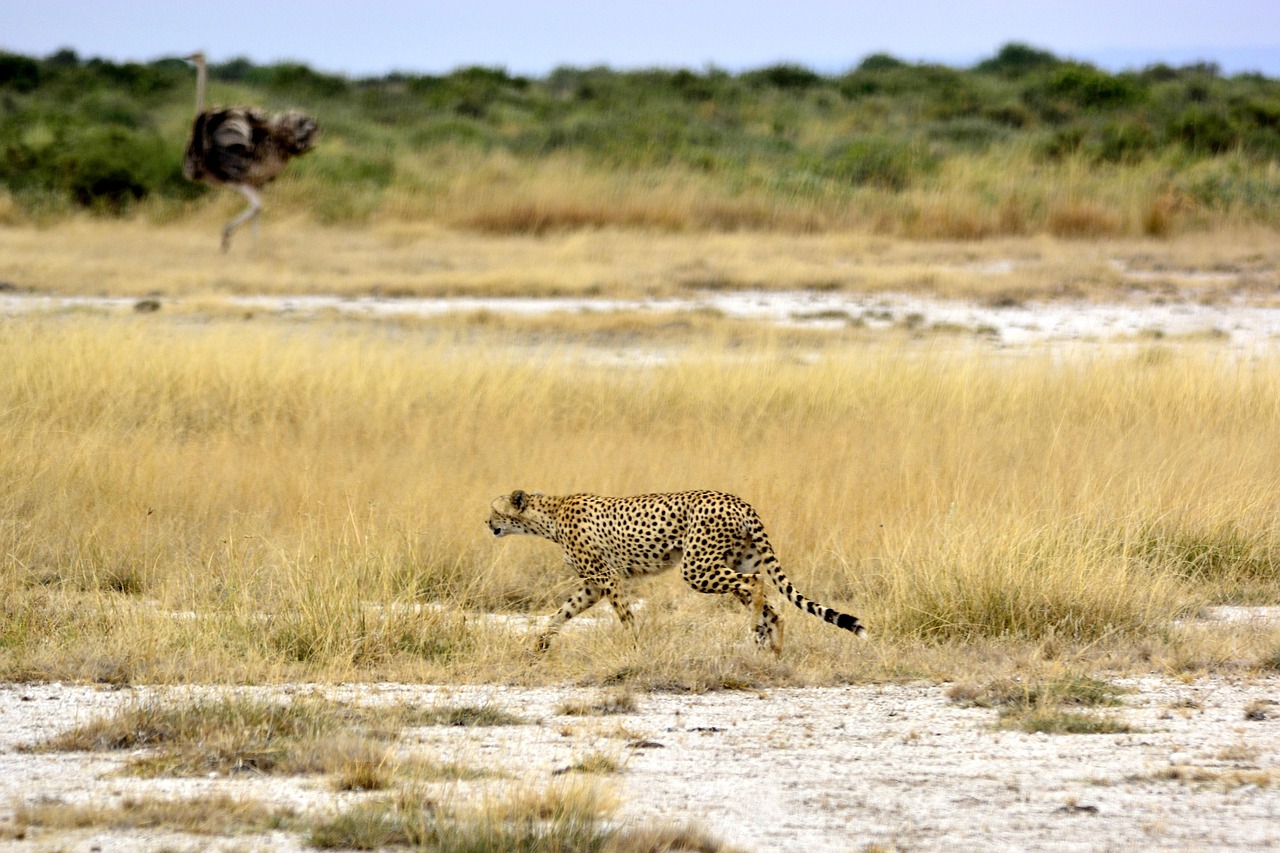
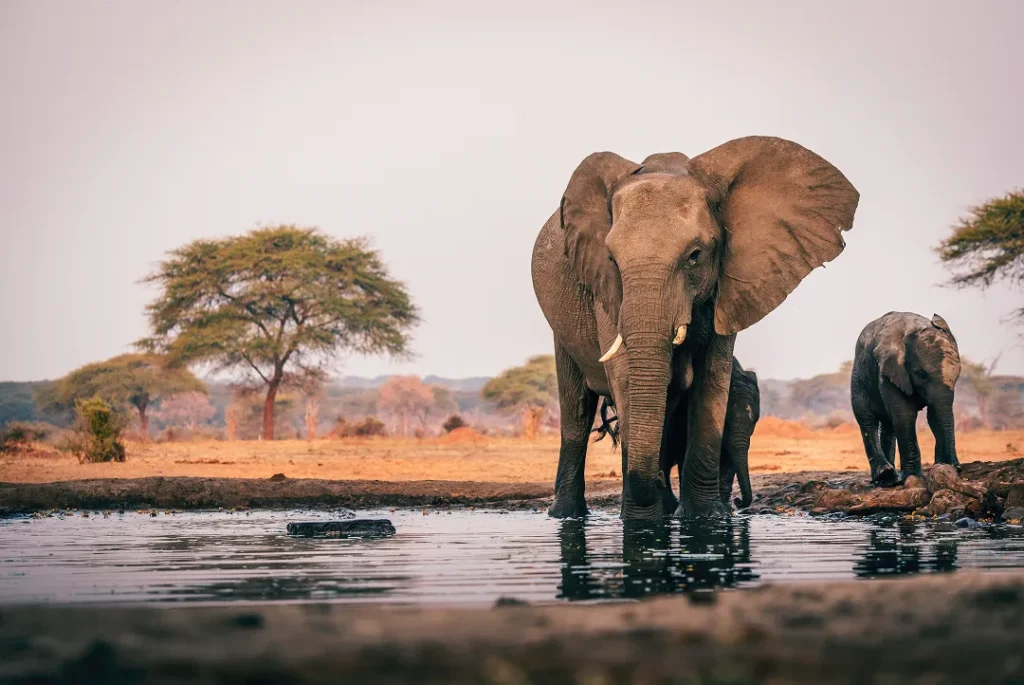
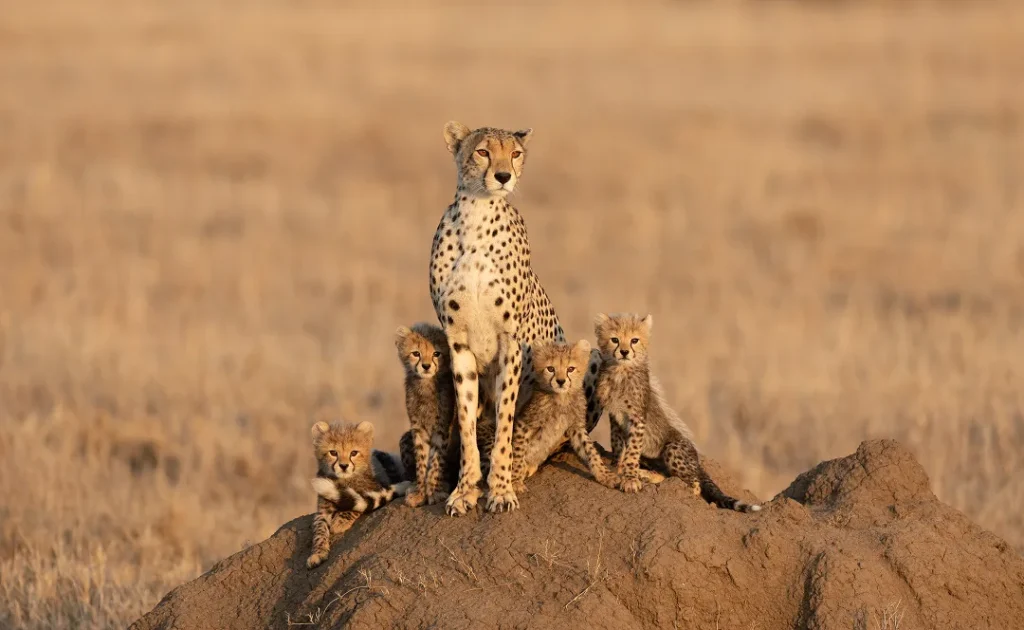
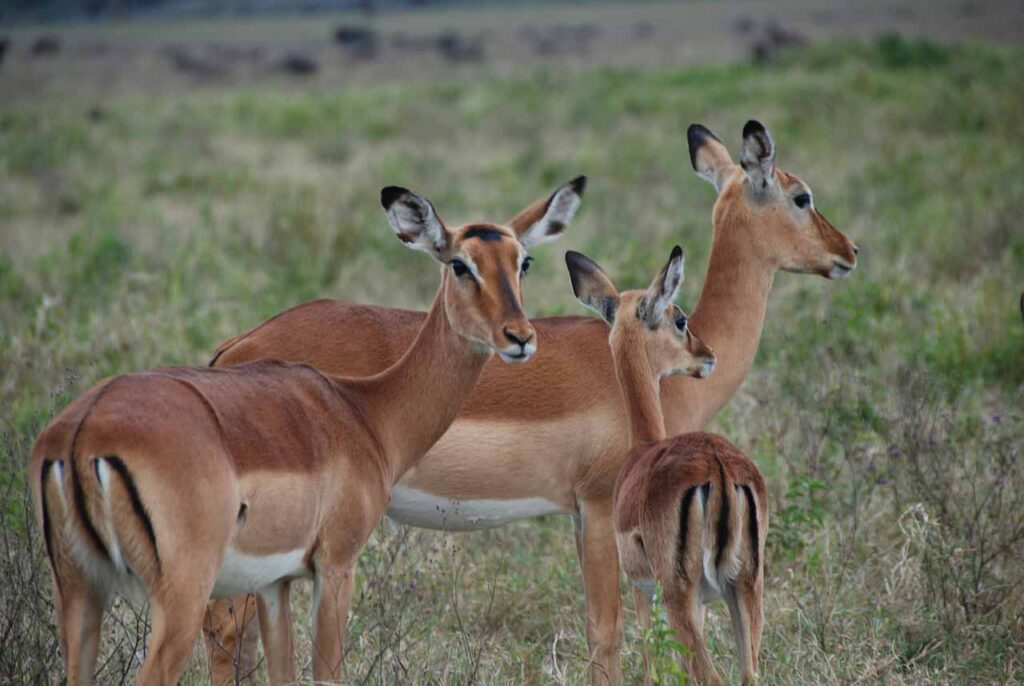
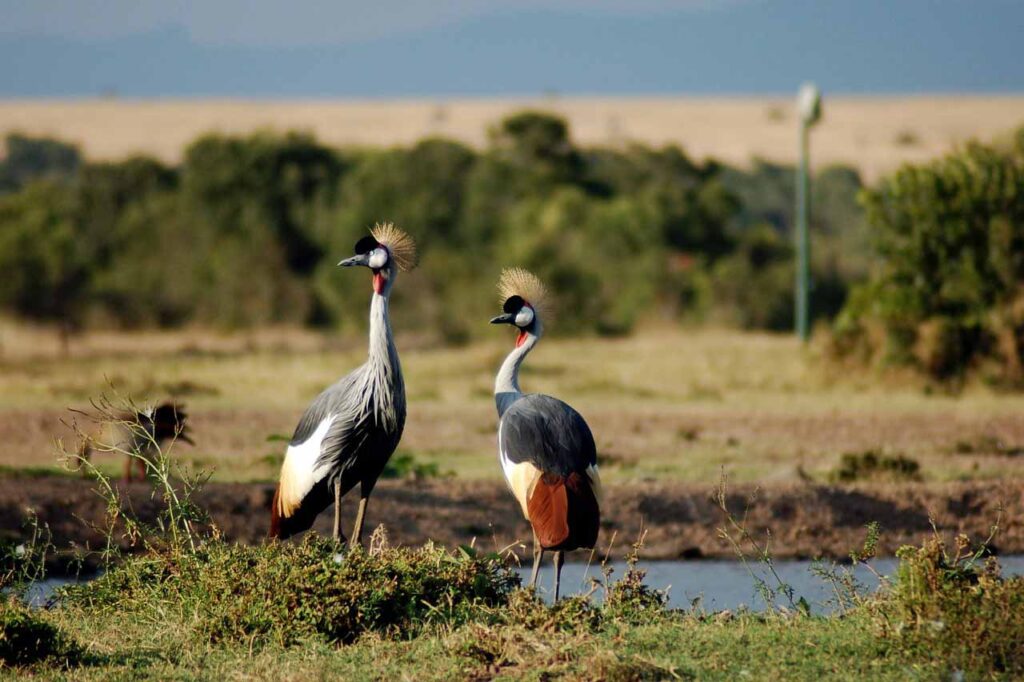
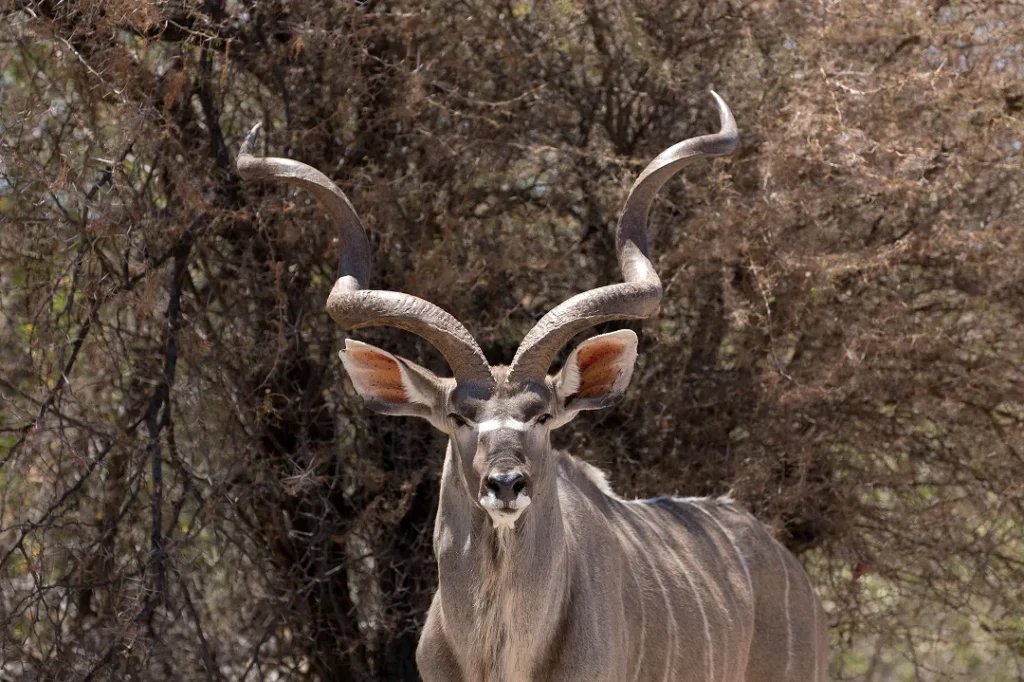
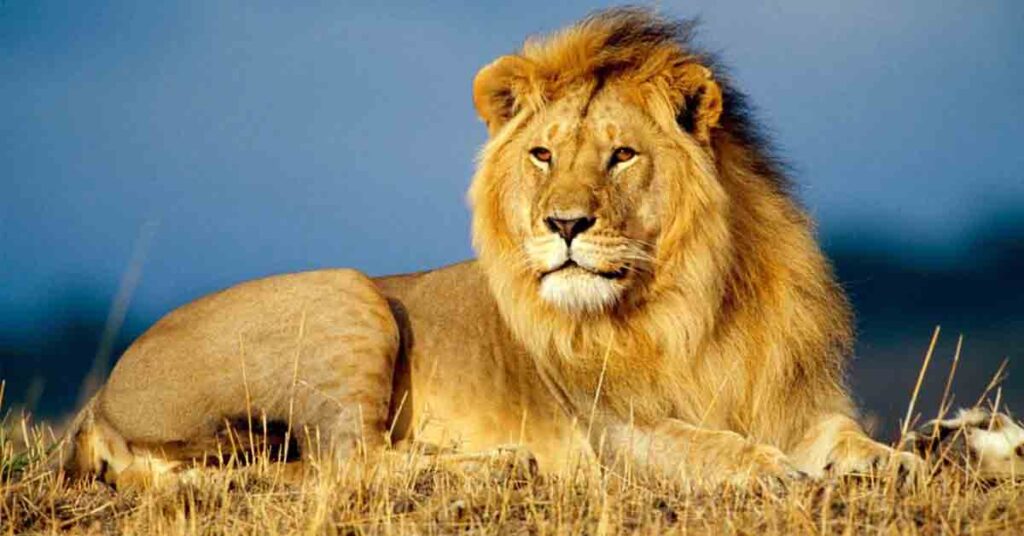
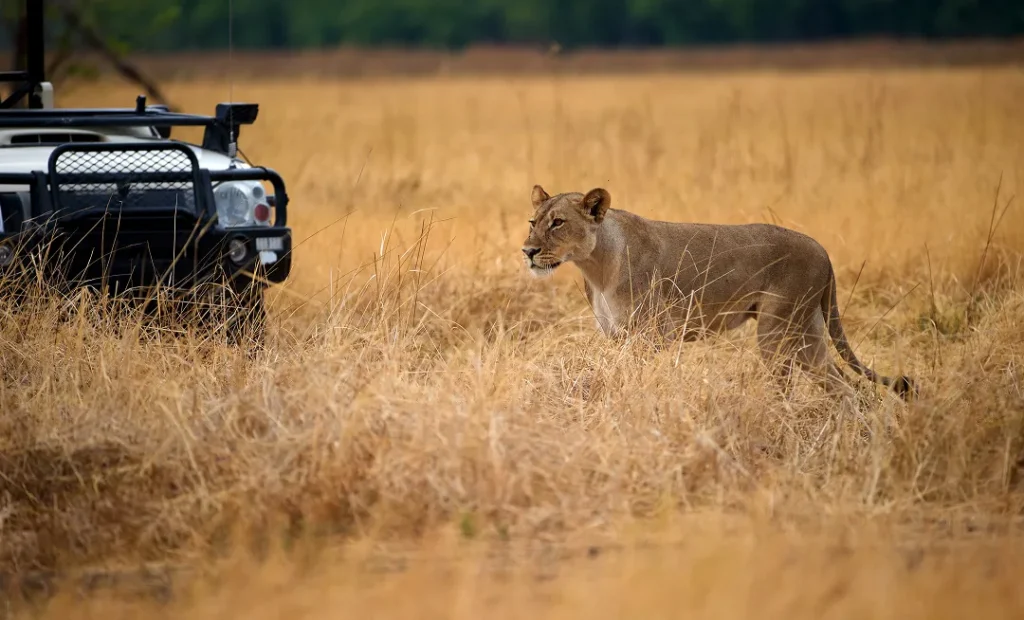
In addition to these animals, Tarangire National Park is also home to alcelafos, Kudu, dik-dik, more than 500 species of birds, and even some of the most enchanting felines, such as African lions and cheetahs. Elephants, in particular, are a very high presence throughout the year and it is easy to encounter them in groups even at very close range.
Tarangire National Park is also known as Giant Park, precisely because of the presence of huge specimens in both its flora and fauna, see for example baobabs and elephants.
The Tarangire Migrations
The uniqueness of Tarangire National Park is marked by the River of the same name that runs through it, which is the only source of water during the dry seasons that results in the emergence of massive migratory flows of hundreds of different animal species, not unlike what happens in Serengeti National Park and theNgorongoro Conservation Area.
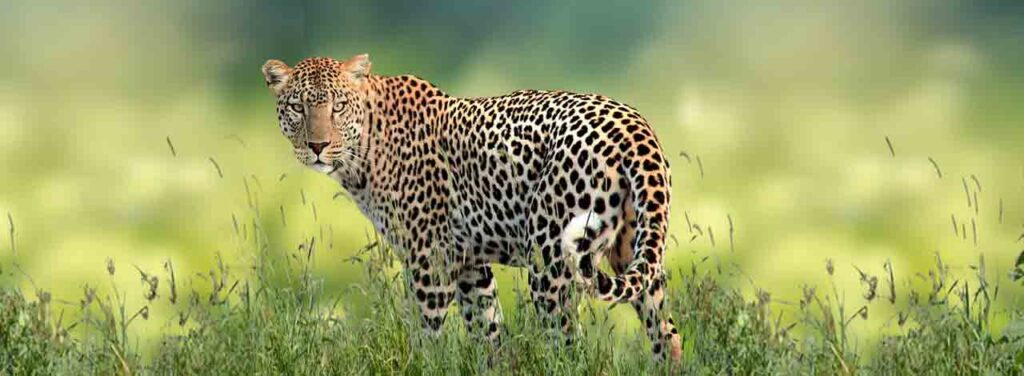
During the height of the great migration, the landscape is filled with every animal species typical of the northern circuit: kudu, greater and lesser, ostriches, warthogs, impale, lions, leopards, cheetahs and a host of other animals. Prominent among them is the presence of elephants, which reach the highest concentration in Tarangire. Between 500 and 1,000 elephants can be spotted each day-a sight that fills the heart.
The trend is reversed during the small and large rainy seasons, which cause most animal species to move away and head for Ngorongoro, Lake Natron, and Lake Manyara, where pastures have returned to lushness and there is renewed availability of water at that time.
Safaris in the Tarangire
For us at Safari Avventura,Tarangire National Park is a must-see destination on all the different safaris in Tanzania. For this very reason we have included it in all our itineraries, even in the group safaris on offer, precisely because of its uniqueness and the extremely high number of animals found there.
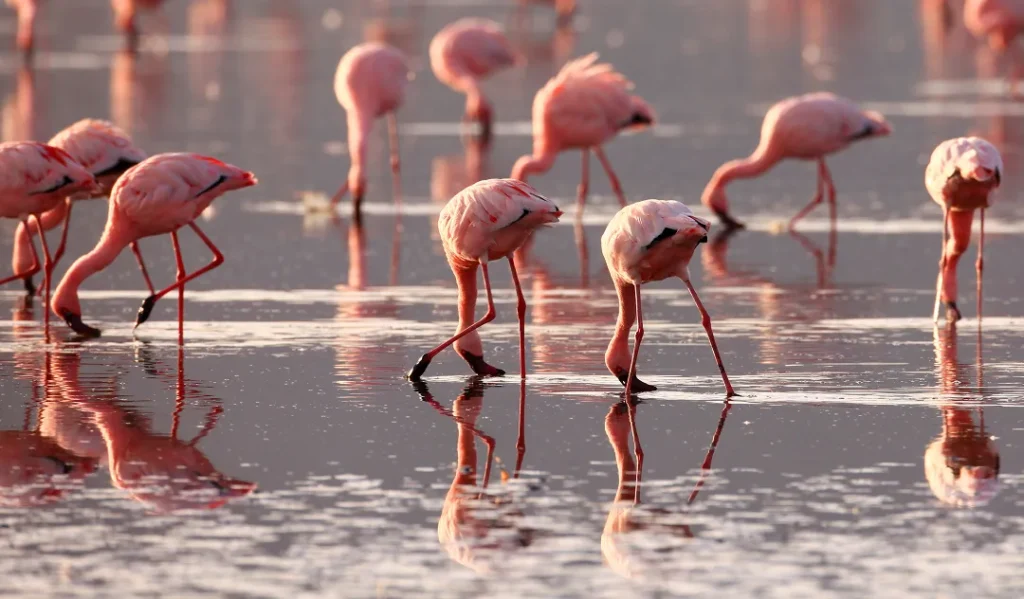
The most traveled routes in the park are certainly those that wind along the river, where most animals are most likely to be spotted, but also interesting, only in the dry season, are the southern swamps that feed the Tarangire River, where thousands of buffalo and elephants pass through in search of cooling mud. Outside the park, an excursion to Lake Burunge, characterized by shores dotted with the characteristic candelabra spurge plants, and shallow, alkaline waters, an ideal place for numerous flocks of flamingos between July and November, may be of interest. During the dry season, moreover, the shallow depth further reduces the width of the lake, which largely becomes an extensive salt crust.
Recommended periods
The flora and fauna of Tarangire National Park varies according to the time of year. During the driest periods, in fact, the Tarangire River is the only source of water in the surrounding area, so there is a massive migration to its aquifers, which dissipates during the remaining months. Visiting the Tarangire is a key destination during this period but also during the other months allows you to see beautiful and breathtaking landscapes. If you opt for short-term safaris, we recommend visiting the Tarangire in its best period, which is from August to October.
Below you will find all the different periods and features of the park during these months, so you can choose which period is best for you.
January to March
This is the wettest period that can surprise with heavy downpours, although the remaining days have clear and sunny weather. January through March sees temperatures ranging from 18° to 28°, and the landscape turns out to be lush and verdant because of the frequent rains. During this period, the number of animal species present is far from peaking, and the level of sightings is not the best.
April and May
This period, despite the landscape marked by lush, verdant flora, is a bad time to reach the area, as most of the animals have already left Tarangire, moving on to other parks. A few elephants, warthogs, cudus and a few animals remain, but these are hardly spotted because of the dense vegetation.
June and July
At this time of year the dry season begins, marked by very rare rainfall. Vegetation also begins to become dry and tree species begin to lose their leaves due to the drought, facilitating sightings of animals such as elephants, zebras and felines.
August to October
As we have said repeatedly before, this is the best time to reach Tarangire as there is a huge concentration of animals around the river and adjacent swamps. In addition, the vegetation is sufficiently bare to allow easy sightings.
November to December
After the dry period, November represents the period of small rains, during which vegetation that has dried up due to the high drought returns to its lushness. This is an inadvisable period because animals are likely to move away from Tarangire Park to parks with more lush pastures, having now consumed the Tarangire’s food reserves.
Discover our Itineraries including Tarangire Park
BOOK YOUR SAFARI