Lake Manyara National park
Lake Manyara National Park is a small (only 330 km2) and striking park in Tanzania, declared a World Heritage Site in 1981.
Despite its modest size, considering also that it is largely occupied by lake waters, it is one of the parks with the highest biodiversity in all of Tanzania and boasts as many as 5 different interconnected ecosystems, making it a wonderful destination for travel in Tanzania.
Characteristics of Lake Manyara National Park
The landscape of Lake Manyara National Park is so varied and rich in wildlife that it enchants the eye of the beholder, so much so that in the past it was chosen as a set for the first Tarzan films and Hemingway himself called it the most beautiful park in Africa.
Immediately upon entering the park, despite the low rainfall in the area, one finds oneself immersed in a lush rainforest characterized by large mahogany, tamarind, ficus and other trees, fed by a series of underground springs that flow through the permeable volcanic soil.
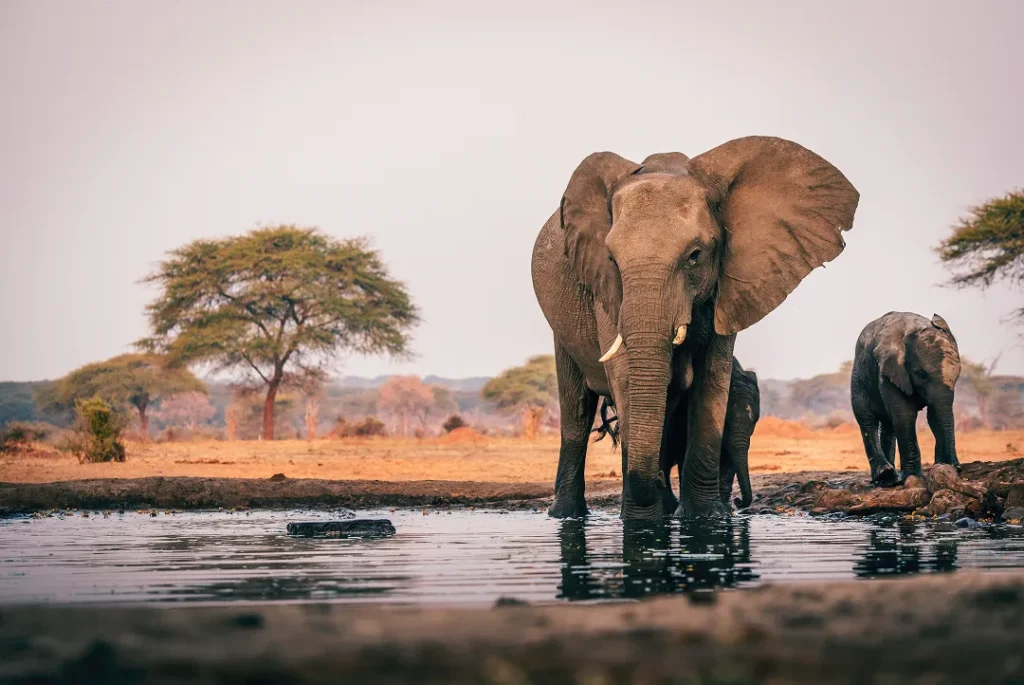
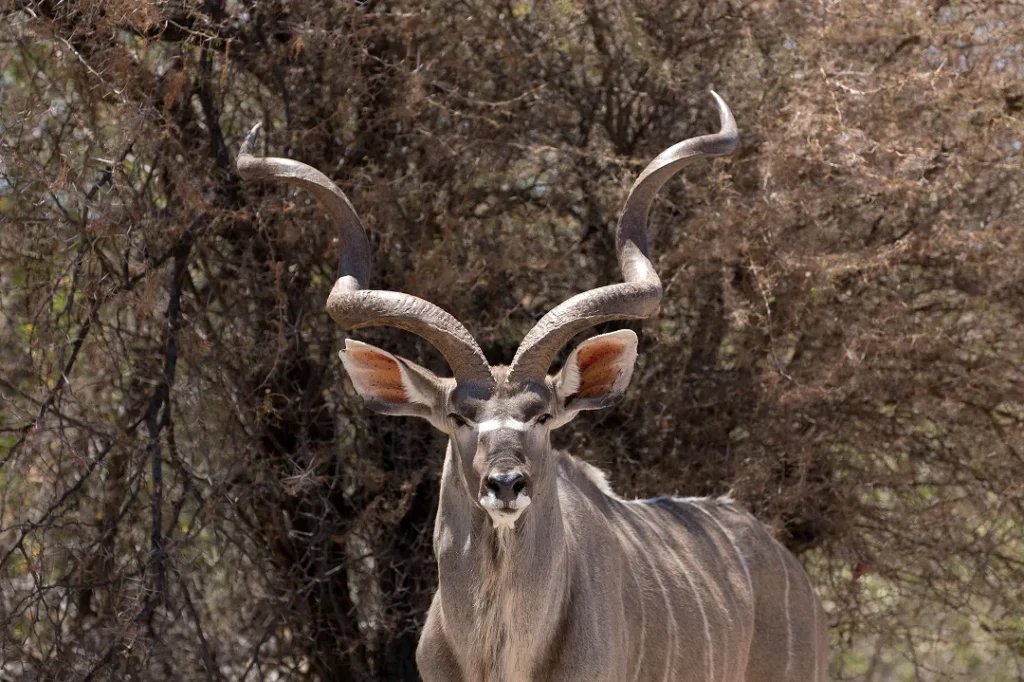
The area is populated by various animals, such as giraffes, elephants, antelopes, extensive groups of baboons and curious diademed guenons. In particular, baboons, although present in many parks in Tanzania, are quite numerous and easy to approach here; in fact, meeting them on the dirt road, they even move very quietly.
Flora and fauna of Manyara Park
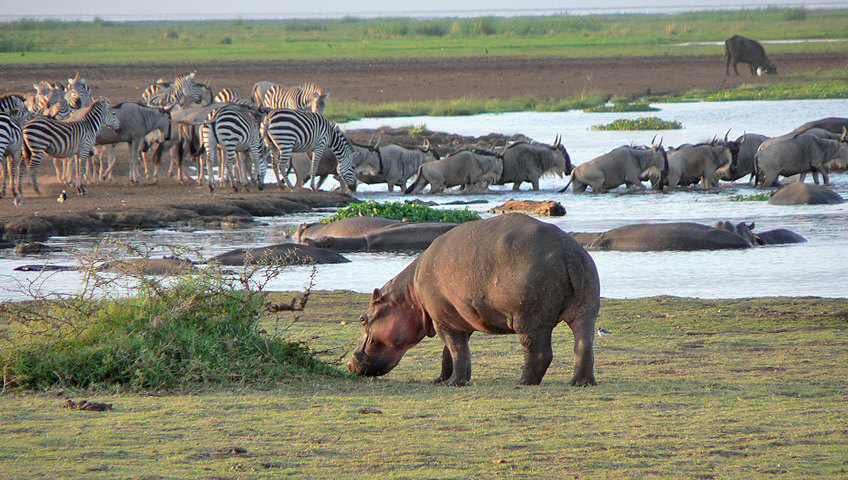
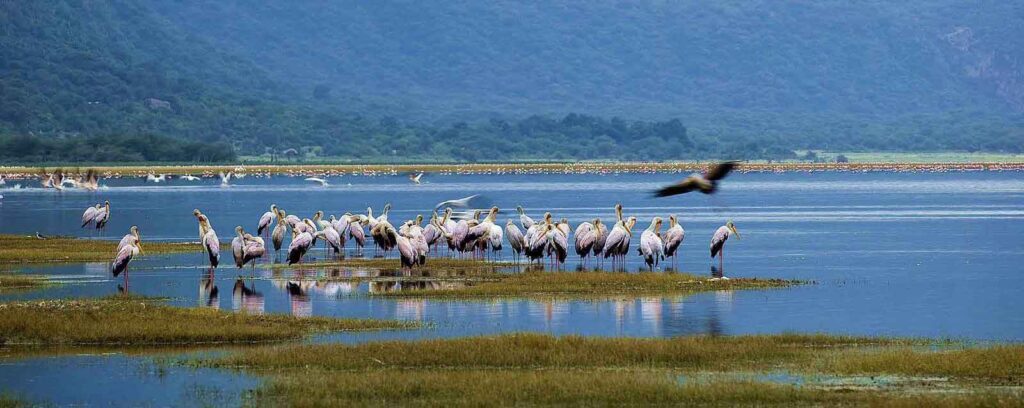
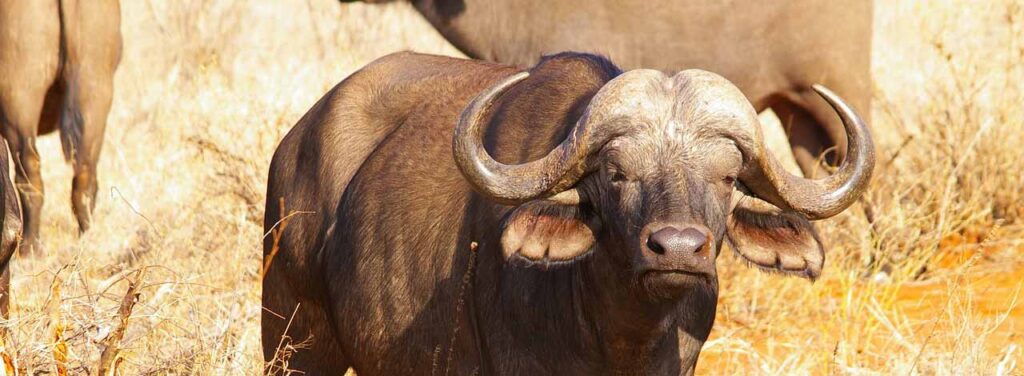
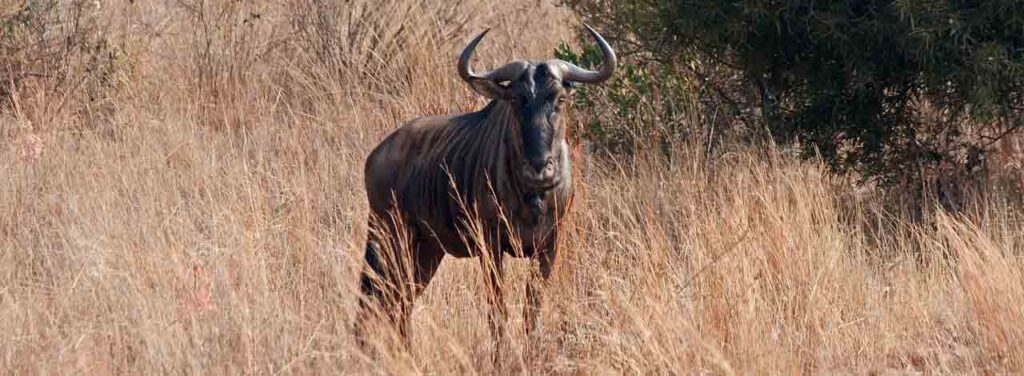
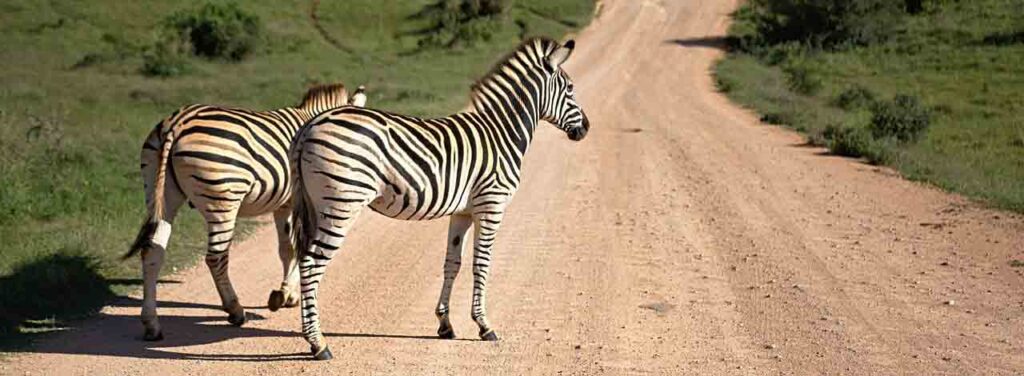
As you approach the lake, the forest thins out, giving way to small savannas populated by giraffe, warthog, wildebeest, zebra and buffalo. You come to the shore of the lake, a flat expanse of lake environments, marshes and reeds, where lazy hippos rest all day almost completely submerged in water and hundreds of colorful migratory birds, such as pelicans, flamingos, herons, blackbirds and ducks, occupy its waters.
It is possible to see hippos much more closely in this park than in other parks, thanks in part to the presence of wooden piers above the lake, on which you can walk, fully immersing yourself in nature and feeling part of it.
Continuing on, the path narrows to a charming little strip of land surrounded by the lagoon, the landscape is surreal, the fauna very diverse, especially the birds, which are really numerous, such as ibis mignattai, white pelicans, huge marabou, ducks and geese, and some large mammals, such as buffalo.
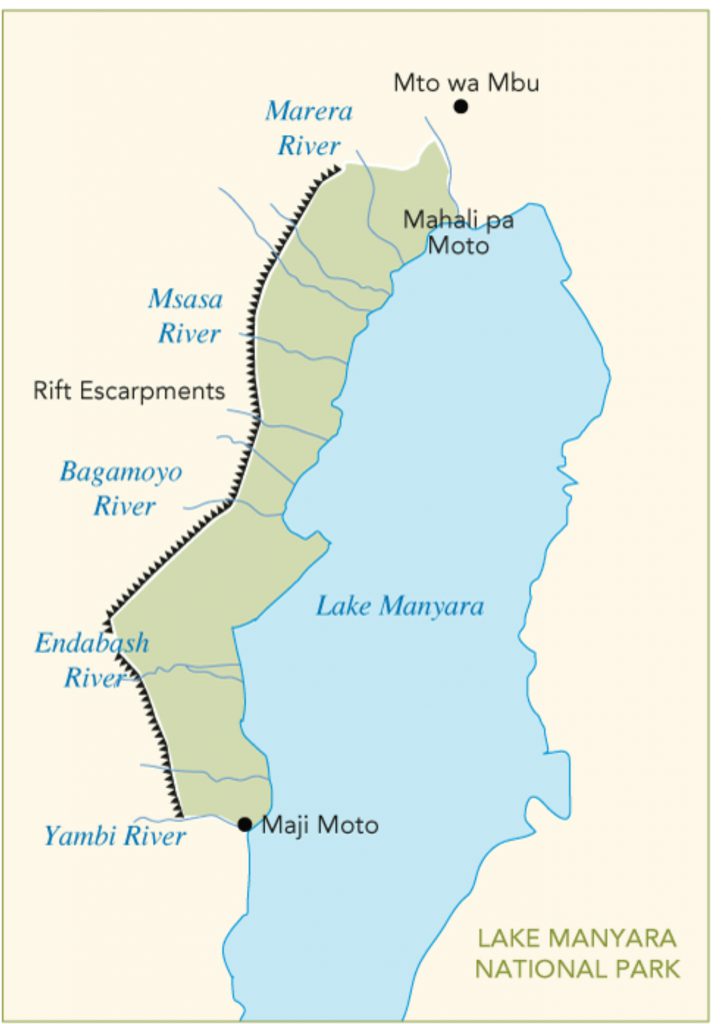
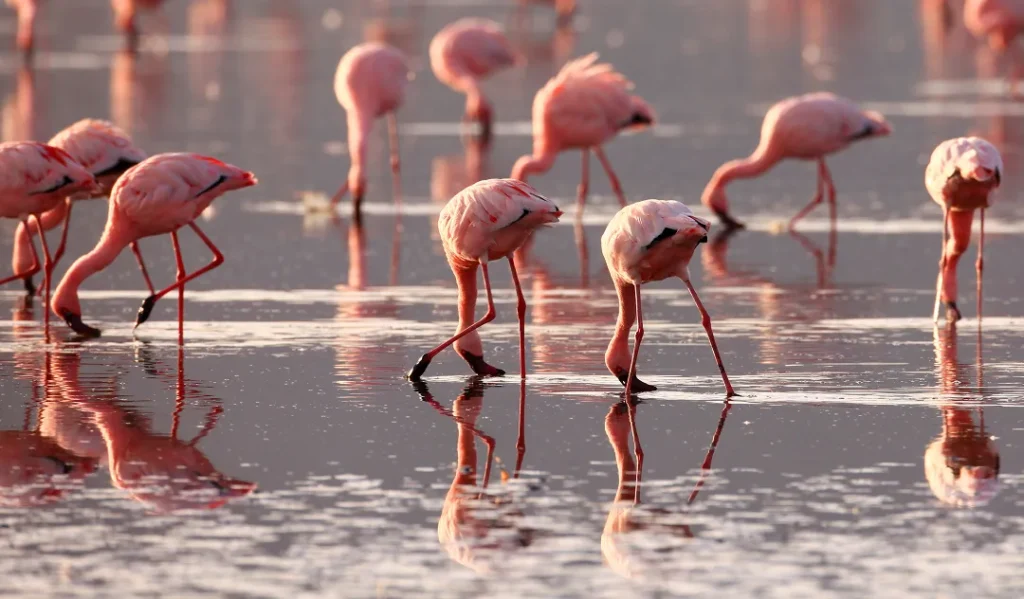
In the western part of the lake, however, one finds oneself in a pathway that separates the lake from an escarpment, where intense geothermal activity, present throughout the Rift Valley, has led to the formation of a number of hot springs of a sulfurous nature that attract many flamingos insensitive to the high temperatures, which in some cases reach as high as 76° C.
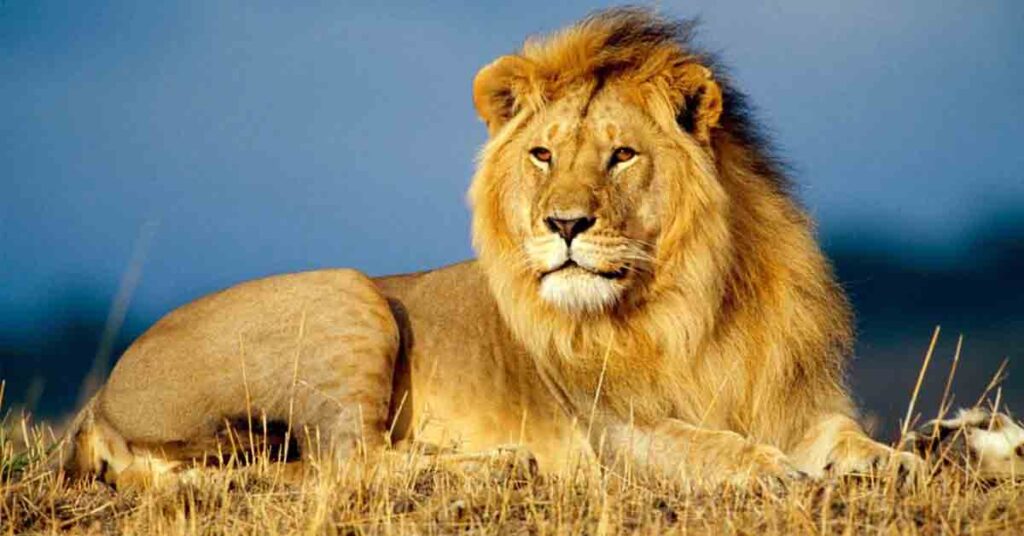
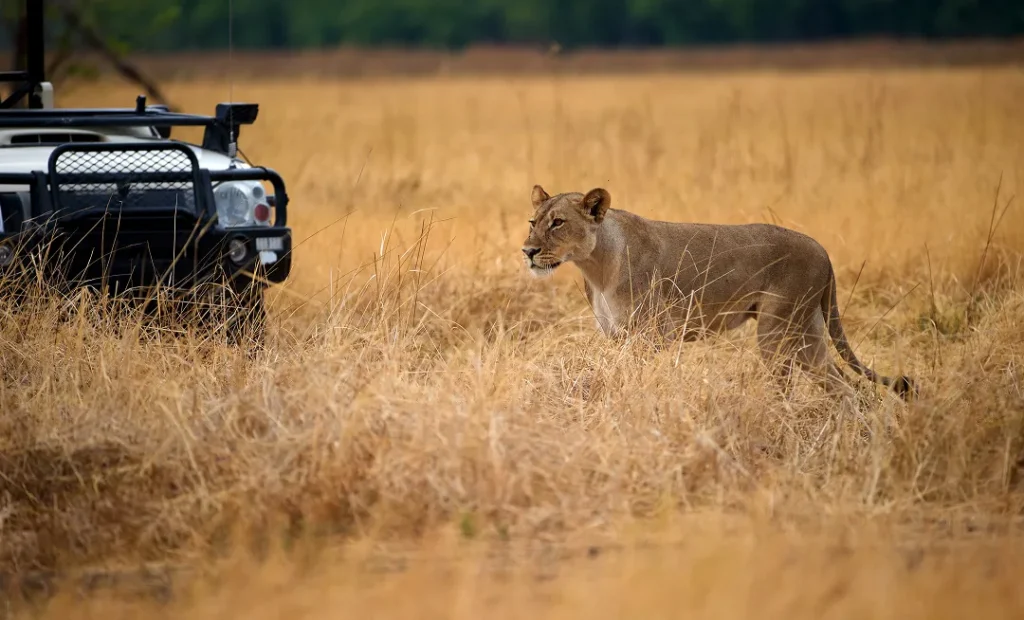
Finally, we cross a forested area rich in acacias and palms that extends south of the forest and is crossed by several small rivers.Here it is possible to spot lions known as arboreal lions, which have a habit of climbing the branches of umbrella acacia trees, which is quite unusual for this type of feline. There are also many giraffes in this area, which prefer to eat the leaves of the taller and seemingly unreachable spiny acacias.
Curiosities of Lake Manyara
- Together with Arusha National Park, Lake Manyara National Park is Tanzania’s second largest national park by date of establishment, in 1960.
- At 648 km2 (of which only 30 percent is land), it is the third smallest national park in Tanzania and at its widest point stretches 32 km from south to north.
- Altitude: from 960 meters (Lake Manyara) to 1,600 meters (highest point of the Tectonic Trench wall, south).
- The park is easily accessible by plane and by a well-paved road.
- By car: from Arusha to Mto wa Mbu village (115 km/2 hours); the village is less than 2 km from the main entrance.
- By plane: several safari companies arrange private flights from Arusha (the airstrip is on the edge of the Rift Valley wall).
- Best time to visit year-round.
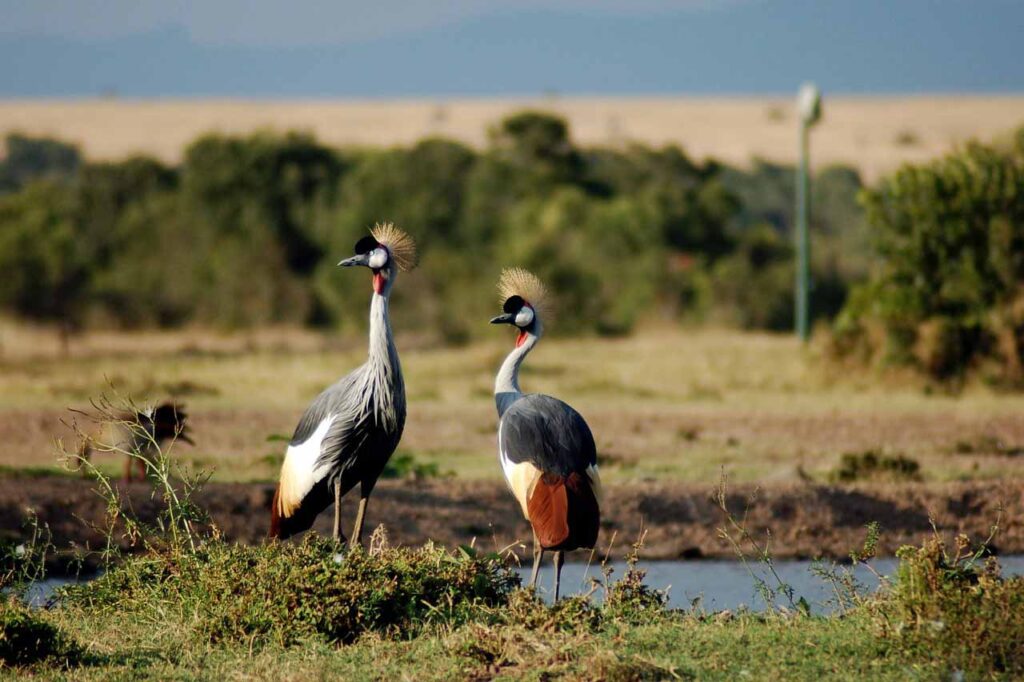
Lake Manyara is a home for thousands of birds such as the pink flamingo. The instant you see the flamingo, you will also see many crocodiles and hippos. Other birds found in this lake are storks and cormorants. This park is a perfect destination for viewing different species of birds.
More than 400 different kinds of birds have been recorded in this park. The combination of large mammals, birds, reptiles and a variety of vegetation makes the park a memorable place to visit.
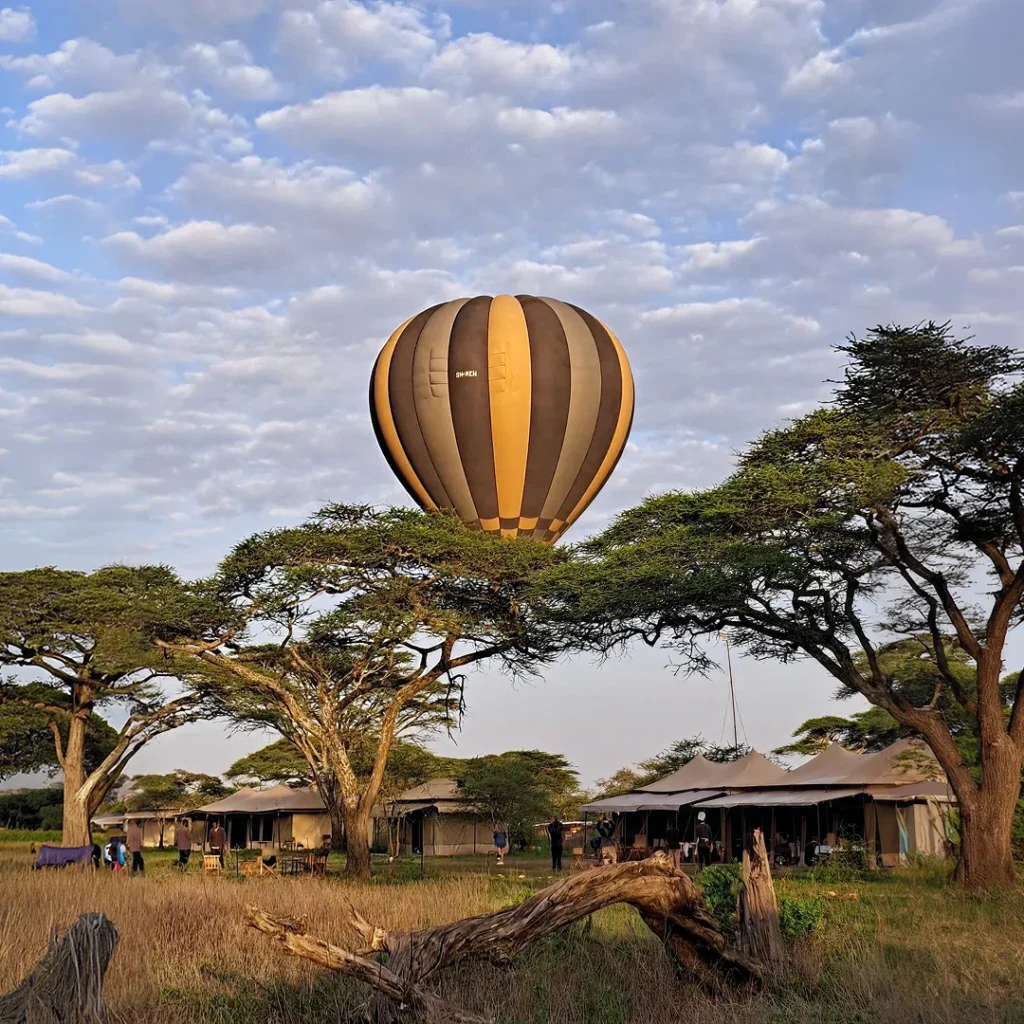
There is only one lodge located on a hill within the remote corner of the park, from where you can have a clear view of the animals. Designed to reflect the brilliance of Lake Manyara, this luxurious lodge is built with spacious bedrooms, rooms, open decks and large glass areas.
All lounges are comfortable cozy sofas that provide sufficient warmth for guests. There is a private room where you can have a luxurious massage. There is also a beautiful swimming pool where you can relax after a hot day of adventure. The food is also delicious according to one’s taste.
For good viewing, the dry season is the most suitable (July to October). During this period, visitors have the opportunity to see many species of large mammals. For bird watching, waterfalls and canoeing, the period from November to June is the best time. Entrance to the park is allowed at night but only when accompanied by your guide.
Accommodation inside the park:
A private lodge (south side of the park), bandas, a public campground and several special campsites (reservations are made through the park). Outside the park: several hotels and private lodges at the village of Mto wa Mbu.
What to do
Canoeing, when the water level is sufficient, car safaris (day and night), walking safaris, bird watching, outdoor dining, and cultural programs in Mto wa Mbu. Contact reference for the park: lake.manyara@tanzaniaparks.com Hotline: +255 689 062 294 / +255 767 536 137.
Discover Itineraries Including Manyara Park
BOOK YOUR SAFARI