Serengeti National Park

Serengeti National Park is the extraordinary place where legend meets reality; the subject of numerous nature documentaries, it represents the oldest and largest park in Tanzania, covering an area of 14,763 km2, so much so that the name, of Maasai origin, Siringet, means “Boundless Plain.”

The Serengeti was established as a National Park in 1940, a UNESCO World Heritage Site since 1981 and has been declared an International Biosphere Reserve.

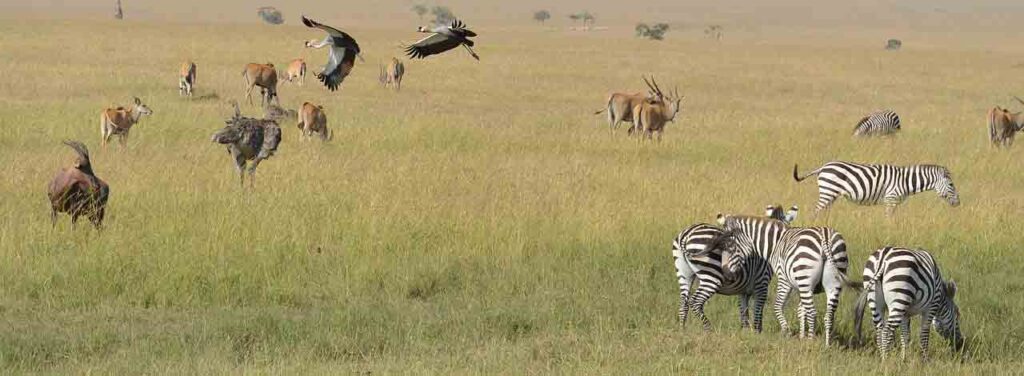
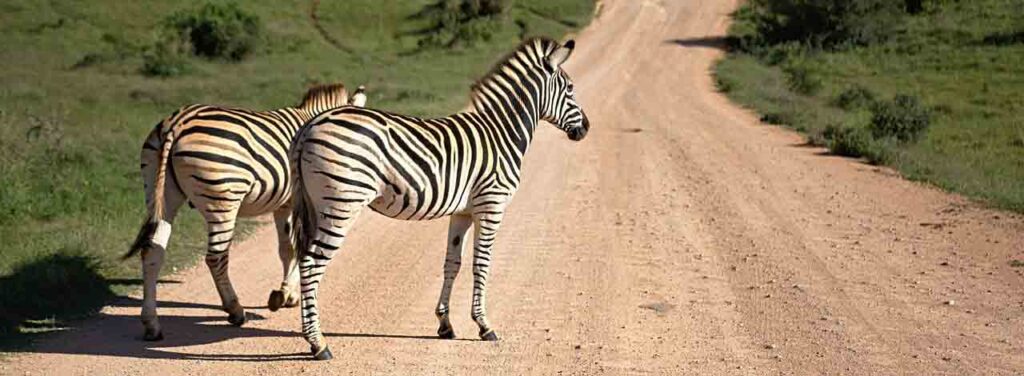
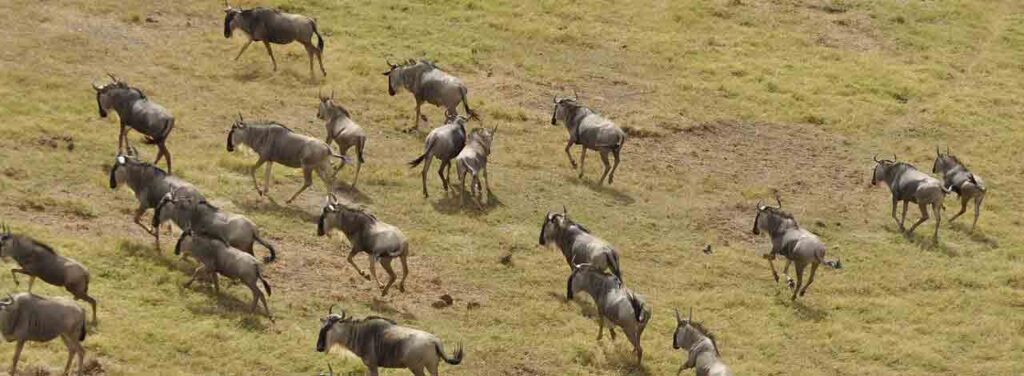
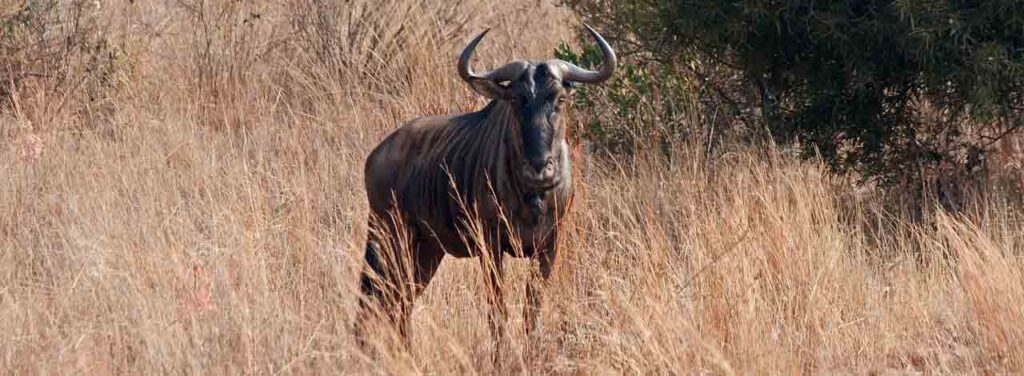
Its extraordinary peculiarity is that it is the scene of the most impressive migration on Earth, which sees the annual movement of several million herbivores, mostly wildebeest (2 million) and zebra (300,000).
The southern part of the park is occupied by a series of vast plains, where the animals that participate in the migration are concentrated between the months of December and March, when they give birth to about half a million newborns. The concentration of such a large number of animals is largely due to the presence in the pastures of many minerals such as calcium, potassium and sodium carbonate from the volcanic soil and very useful during the lactation period. However, the plains are interesting and rich in wildlife all year round, regardless of migration.

Donde alojarse en Zanzíbar: los mejores consejos

The fauna of the Serengeti National Park

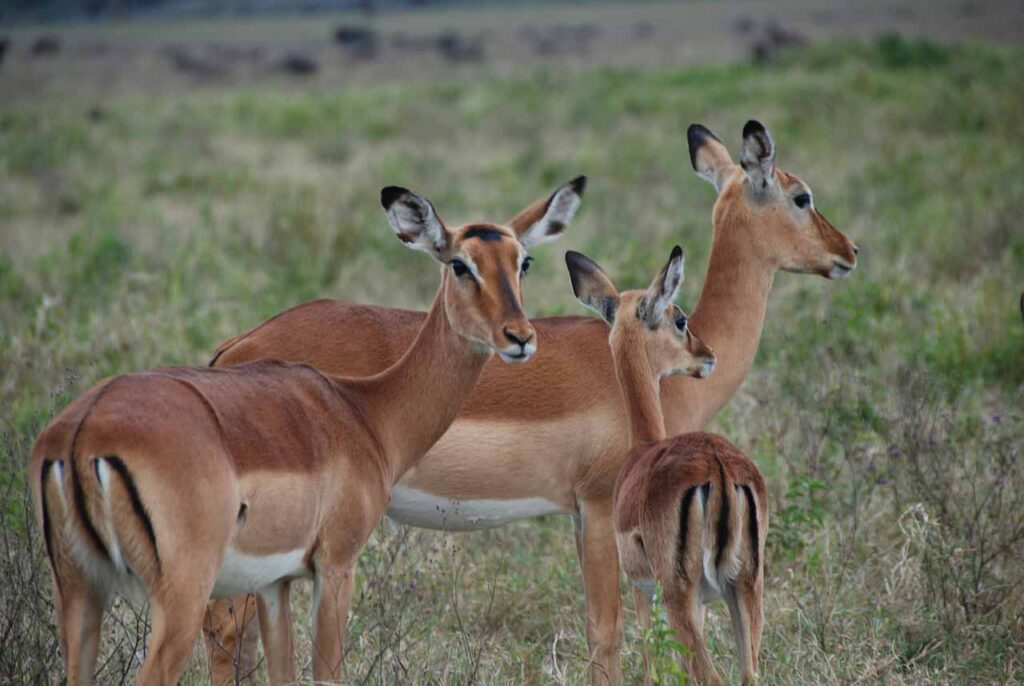
The plains of Tanzania’s Serengeti Park are inhabited, at the peak of the breeding season, by 1.5 million herbivores, especially wildebeest and zebra, some antelope, and Thompson’s and Grant’s gazelles, followed by large predators mainly at dawn and at night.

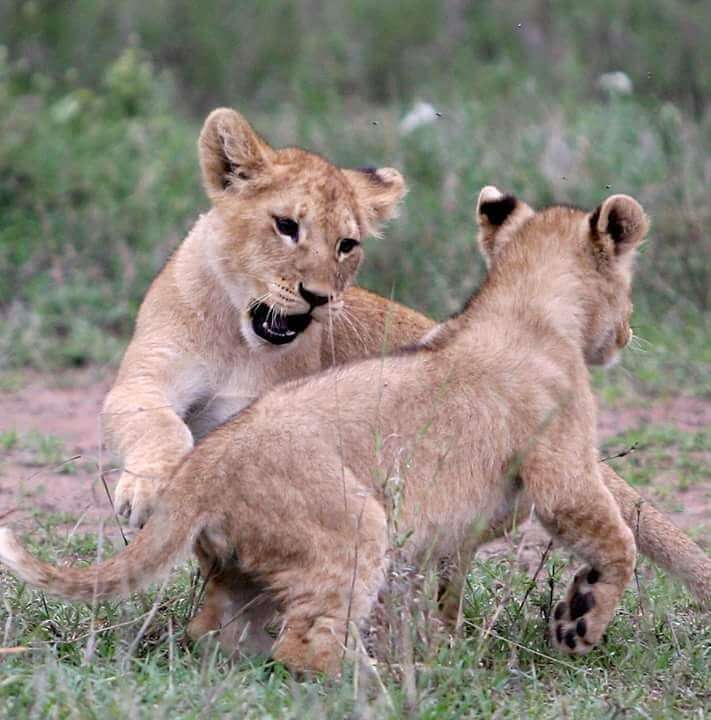
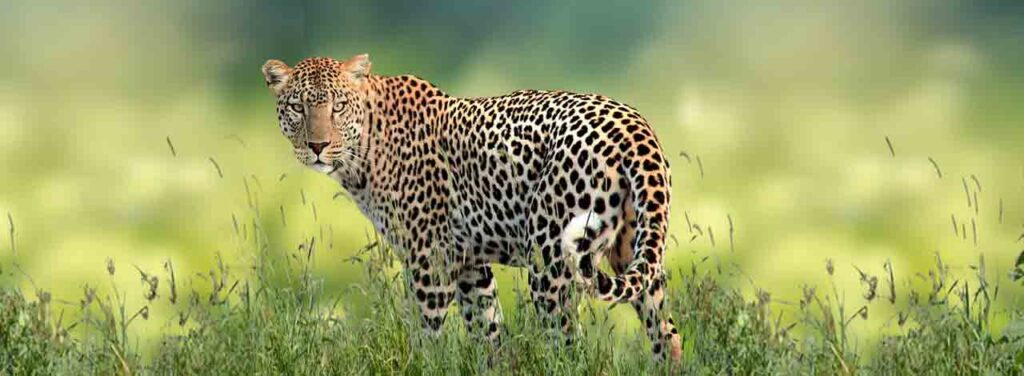
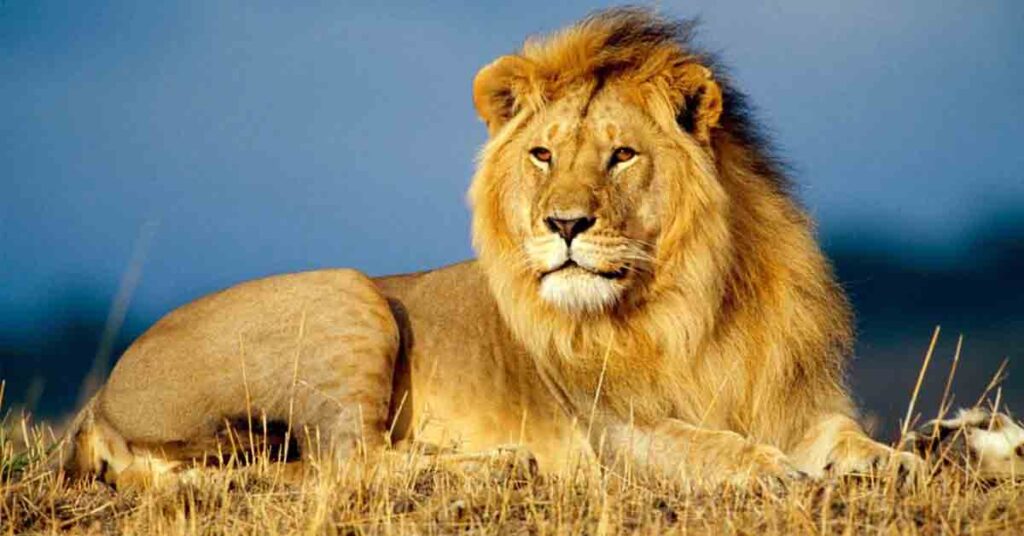
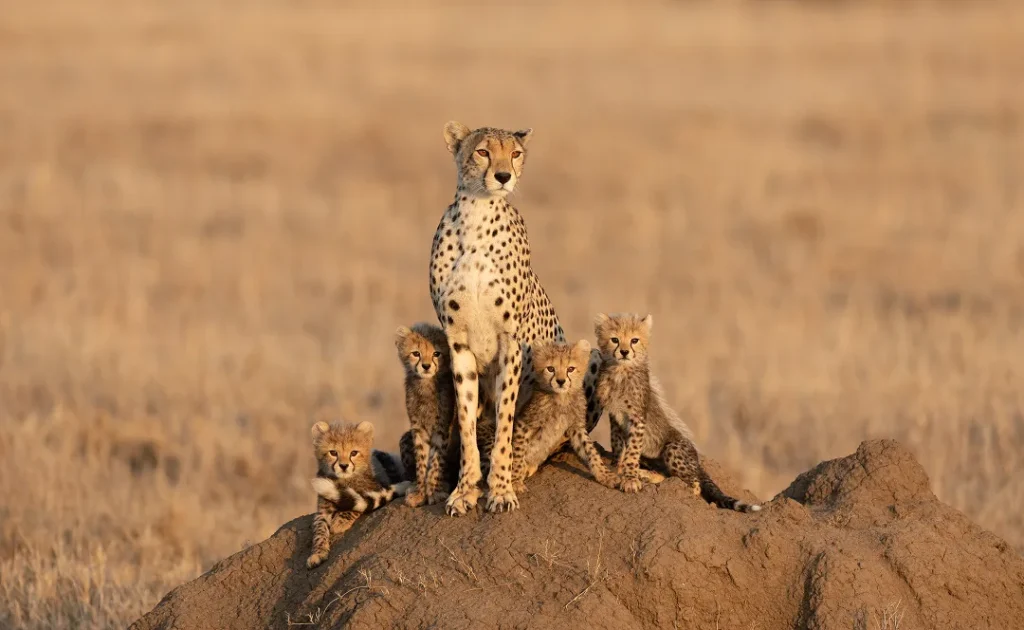
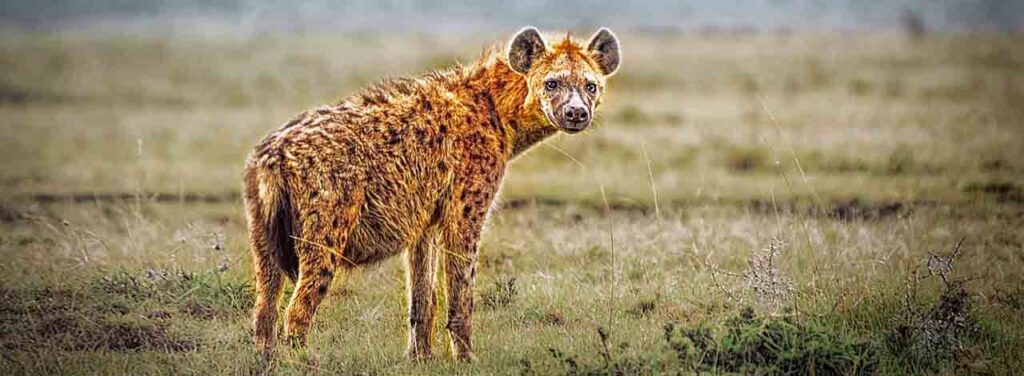
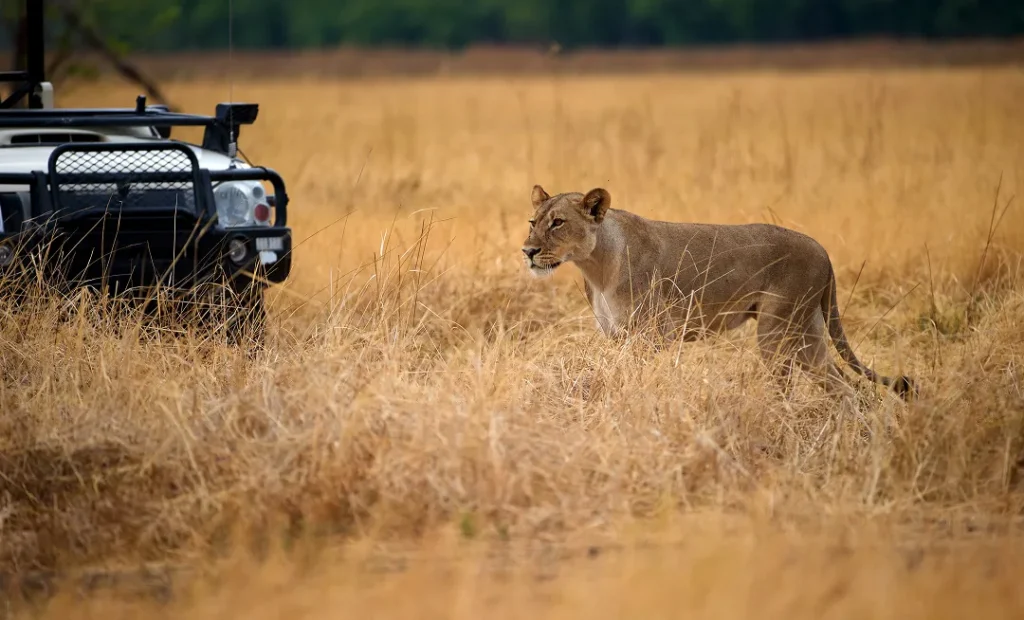
Among predators, lions excel here, with a population greatly increased since the 1960s, numbering nearly 2,500, divided into families of even 20 to 25. Cheetahs, which need large gaps, widely found in the Serengeti Park, in order to explicate their speed potential while hunting, are also numerous here. In addition, we find leopards, hyenas, jackals, and scavenger birds, such as vultures, while lycaons have all but disappeared.

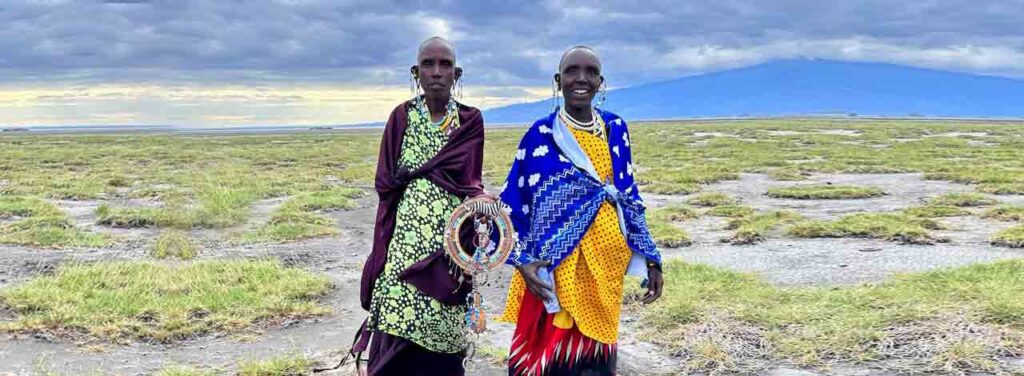
The grasslands are occasionally interrupted by bizarre granite formations, huge boulders that escaped volcanoes millions of years ago and then shaped by wind and rain, called kopjes. On some of these formations are rock paintings depicting white, red and black shields of certain Maasai origin, a tribe that inhabited these lands until several years ago, when it was sent away by the government, granting as protected territory only theNgorongoro Conservation Area.

The kopjes, between whose crevices small pools of rainwater often form, attract many insects and small animals, but also large predators such as lions that like to lie on them or hide in them while waiting for possible prey to pass by. So high is the chance of encountering African lions in these places, that there is a group of these rocks called precisely simba kopjes (lions’ kopjes).

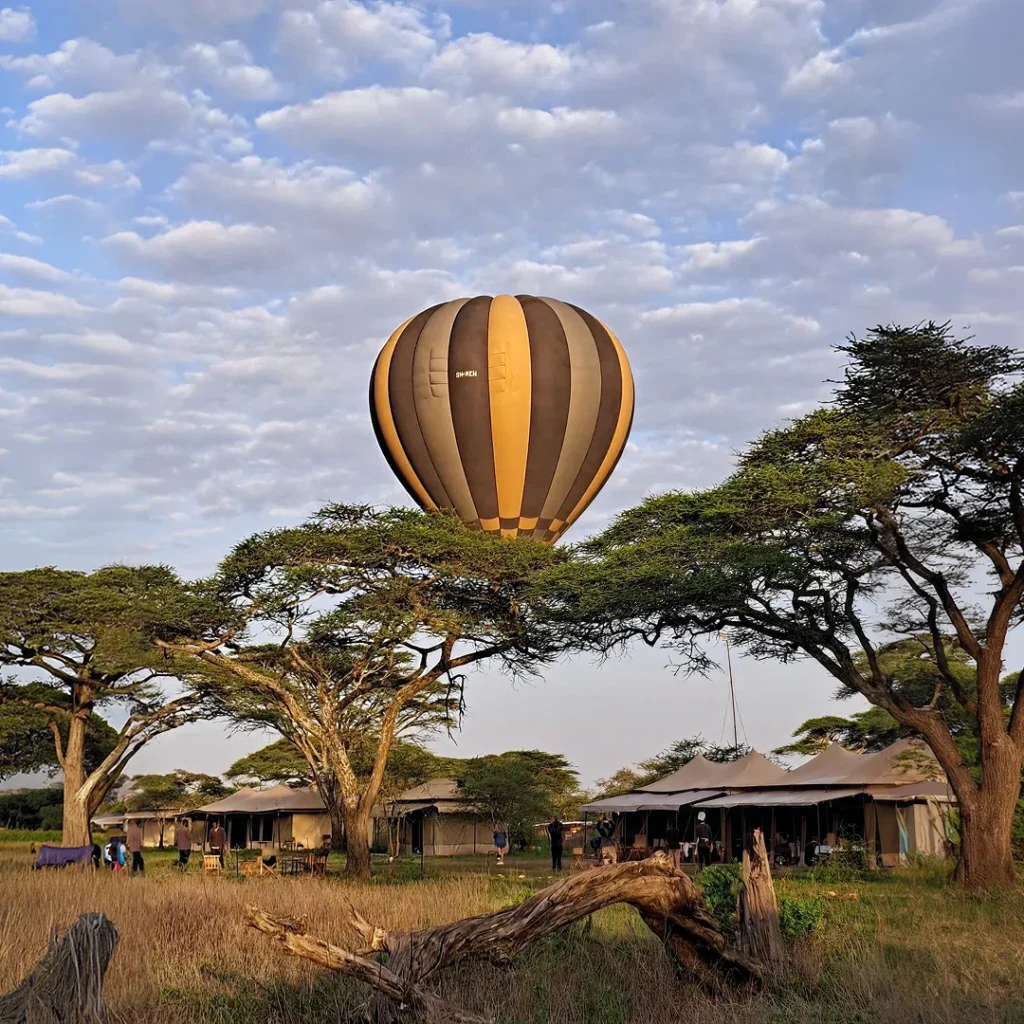
Continuing north, one reaches the area crossed by the Seronera, Ngare Nanyuki, Nyabogati and Orangi rivers, all tributaries of the Grumeti River that flows further west. This is the central and most tourist-crowded area of the park, due to the presence of several lodges and campgrounds, as well as the Seronera Visitor Center, where it is possible to collect information materials about the park and attend wildlife screenings.

Numerous circuits wind their way along the rivers from here, where crocodiles, hippos and many other animals can be spotted coming to water, as well as leopards often basking in the branches of the umbrella acacias found along the rivers.

West of the Seronera is the Western Corridor, a kind of 40-kilometer-long funnel that reaches Lake Victoria. To the north we find the Grumeti River, famous for its fords, which, in the months between June and July, are crossed by the great migration of millions of herbivores moving northward, with crocodiles along the banks waiting for a hearty meal.

These months are certainly the best to visit the Western Corridor, although it is frequented by resident animals throughout the year. The northern part of the Serengeti Park is characterized by hills covered with acacia woodlands of different species that extend all the way to the Kenyan border and the adjacent Maasai Mara Park, where animals participating in migration congregate during the months of September to November, before once again resuming their journey south and the plains of the southern Serengeti.

leoni parco nazionale del Serengeti

Serengeti Park

Our safaris in the Serengeti

Some of our most popular itineraries are safaris in the Serengeti Park. Below you can find all our fantastic tours that give you the opportunity to visit this magical place!

Stagione delle Nascite

Puppy Safari
12 days safari in Tanzania
as of 2.550 €

La sabana y el océano

Tour Rino
12-day Tanzania and Zanzibar safari: 7 days in Tanzania + 5 days in Zanzibar
as of 3.349 €

Adventure and relax

Leopard Tour
9 days safari in the parks of Northern Tanzania + sea extension in Zanzibar
as of 3.860 €

Blue Horizon

Zebra Tour
3-day Safari in Tanzania and Zanzibar
as of 2.999 €

Impala Itinerary

7 days safari in Tanzania
as of 1870 €

Romantic Savannah

Honeymoon tours
9-day honeymoon in Tanzania

Grand Safari in Tanzania

Kudu tours
11-day safari itinerary in Tanzania
as of 3.050 €

Elephant Itinerary

7 days safari in Tanzania
as of 2050 €

The Realm of Predators

Lion Tour
10-day itinerary in Tanzania

Exclusive Savanna

Safari Luxury
9-day luxury trip to Tanzania

Grande avventura

Mamba Tour
9 days safari in Tanzania
as of 2.500 €
Tour culture
.st0 { fill: #fff; }

Encounters with Africa

Tour Culture
Safari in northern Tanzania between nature and local multicultures of 8 days
as of 2.090 €

Lake of the Flamingos

Flamingo Tour
8 days safari in Tanzania
as of 2.120 €

The Savannah in Motion

Cheetah Tour
7-day itinerary in Tanzania
as of 1.990 €

Predatori della notte

Safari Hyena
6 days safari in Tanzania
as of 1.790 €

The Great Migration

Herd Safari
7 days safari in Tanzania
as of 2.580 €

Crossing rivers

Migration Safari
12 days safari in Tanzania
as of 2.930 €

BOOK YOUR SAFARI

This site is registered on wpml.org as a development site. Switch to a production site key to remove this banner.